The pot lid rattles and you know dinner is almost ready. That familiar sound gets you excited every time. You feel the anticipation rising as the float valve dances just right on your pressure cooker.
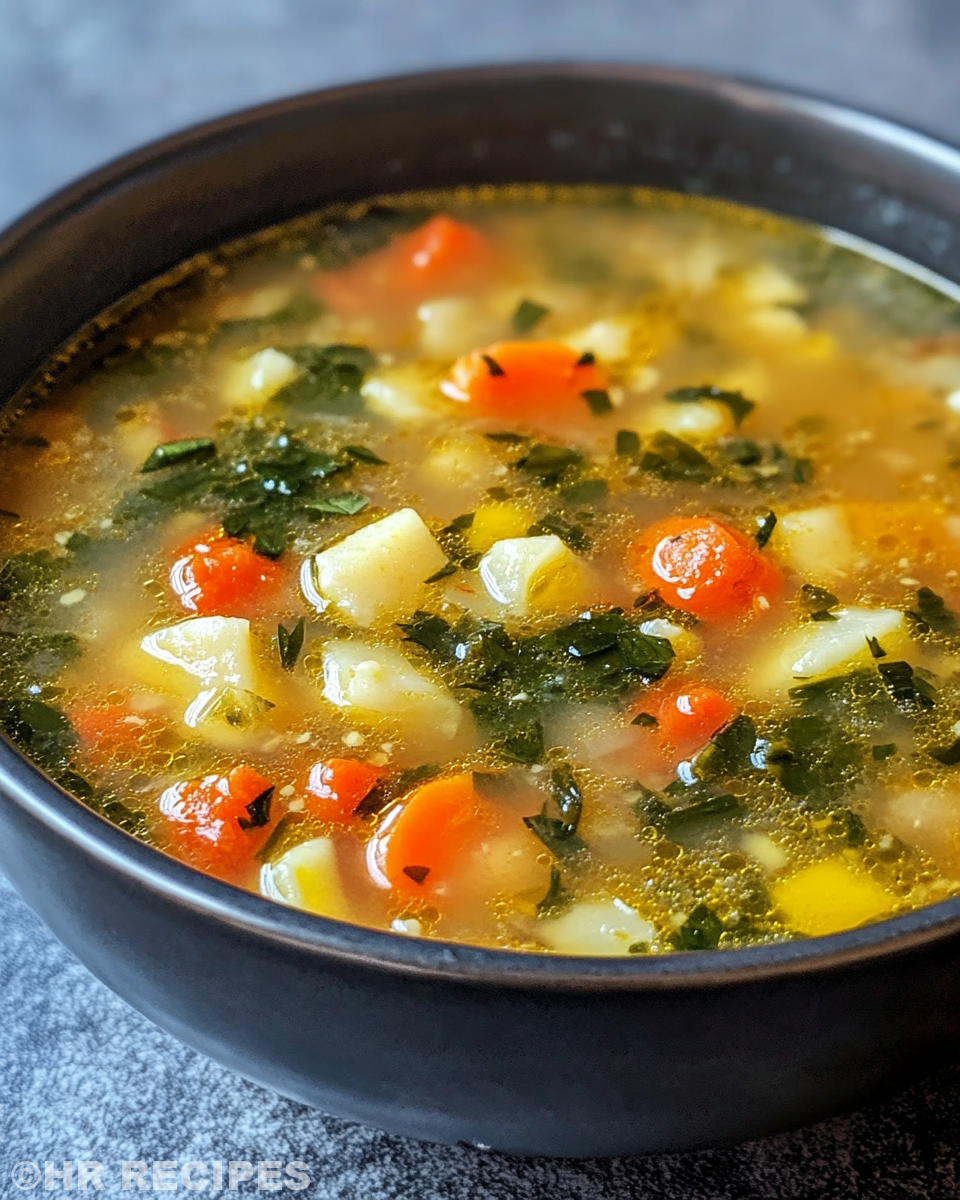
You remember those days when simmering soups took forever, but now, with that sealing ring tight and the pressure building up, you get fast tender results that almost seem like cheating. The broth depth you get is so rich, it feels like the chicken and herbs are whispering their secrets into every spoonful.
It's kinda comforting too, hearing that steady rattle while you set the table or sneak a peek. The tiny pastina is gonna cook up soft but not mushy. You know this soup is the kinda thing that soothes a cold and warms your soul without a fuss.
The Truth About Fast Tender Results
- Pressure cooking speeds up the tender pull on chicken and veggies, saving your time and effort.
- The sealing ring seals in flavor so the broth depth is deep and rich every time.
- The float valve shows you exactly when full pressure's reached, so you can relax knowing it's cooking right.
- Slow release lets the soup settle gently, keeping pasta from turning to mush and flavors balanced.
- Cooking the pastina right at the end avoids over-soft noodles, keeping that nice bite.
- The pressure makes garlic and herbs sing, boosting aroma quickly without long stews.
- You get a wholesome meal with minimal hands-on time, perfect for busy nights.
Your Simple Ingredient Checklist
- 2 tablespoons extra virgin olive oil to get that smooth, fruity start.
- 1 tablespoon butter for a bit of richness that rounds out the soup.
- 1 large onion, diced small to melt down into sweet background.
- 1 large shallot, finely chopped for extra mild and silky flavor.
- 4 stalks celery, diced small adding crunch that softens beautifully.
- 1 large yellow bell pepper, diced small, giving a subtle sweet pop.
- 4 medium cloves garlic, minced to make everything aromatic and warm.
- 8 cups low-sodium chicken broth that holds the heart of the soup’s broth depth.
- 1 pound carrots, diced small, bringing color and gentle earthiness.
- 1 parmesan rind (optional) to add a gentle savory richness you’ll wanna savor.
- 1 ½ teaspoons kosher salt, plus more to taste adjusting the perfect balance.
- ⅓ cup uncooked pastina, tiny pasta; double it if you love noodles in every bite.
- 2½ -3 cups rotisserie or leftover chicken, shredded for tender protein bliss.
- Grated Parmesan for serving, because you can never have too much cheese.
- Finely chopped fresh rosemary and/or fresh thyme leaves to finish with herbal freshness.
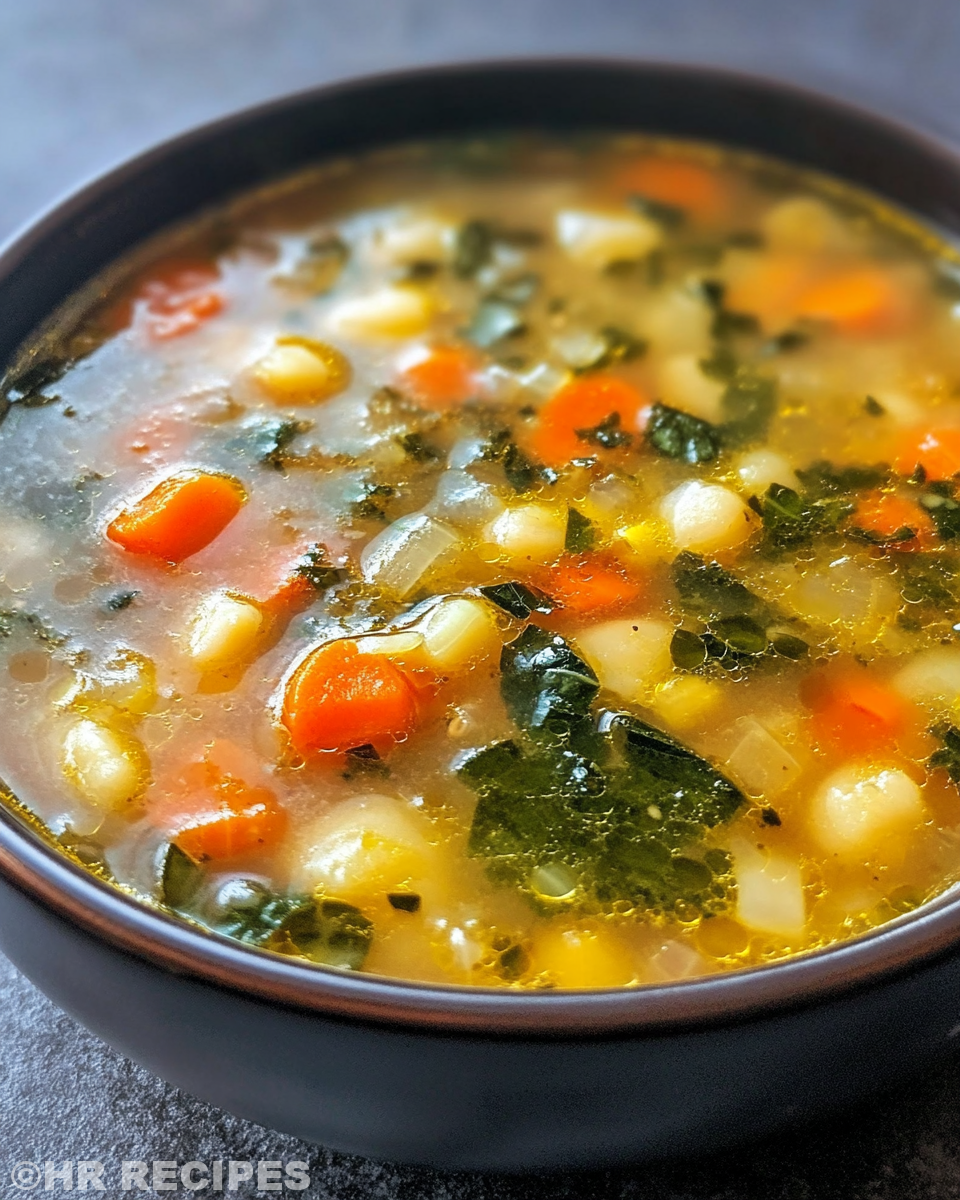
The Exact Process From Start to Finish
- Heat your olive oil and butter in the pressure cooker over medium heat, smell that buttery warm goodness yet? This step sets the base for flavors.
- Toss in the diced onion and shallot, and cook for 2-3 minutes until you see them soften just a bit, getting that translucent glow.
- Stir in celery, yellow bell pepper, and garlic, then sauté for 5 more minutes till everything is tender and fragrant. You gotta stir often so they don’t stick or burn.
- Pour in the chicken broth and add diced carrots and if you’re using it, that parmesan rind. This extra takes the broth depth to another level.
- Lock the lid, making sure your sealing ring is snug and float valve is down. Set pressure to high and cook for about 7 minutes to get the veggies and chicken tender.
- After the cooking time, use slow release so the pressure drops gently, keeping the soup perfect and pasta ready.
- Open the lid, stir in your pastina, then turn on sauté or low-pressure mode if your cooker has it. Cook the pastina for 5-7 minutes until al dente. Watch it closely, it goes fast.
- Season with kosher salt and pepper to your taste, remove the parmesan rind, then ladle into bowls. Sprinkle with grated Parmesan and fresh herbs. Serve warm and enjoy every cozy spoonful.
Easy Tweaks That Make Life Simple
- If you wanna save time, use pre-chopped veggies from the store. It’s not cheating, it’s smart.
- Rotisserie chicken works wonders here because it’s already cooked and shredded, so you just stir it in after the broth cooks.
- Double up on pastina for a heartier soup that sticks to your ribs, especially on chillier nights you wanna cozy up.
The Flavor Experience Waiting for You
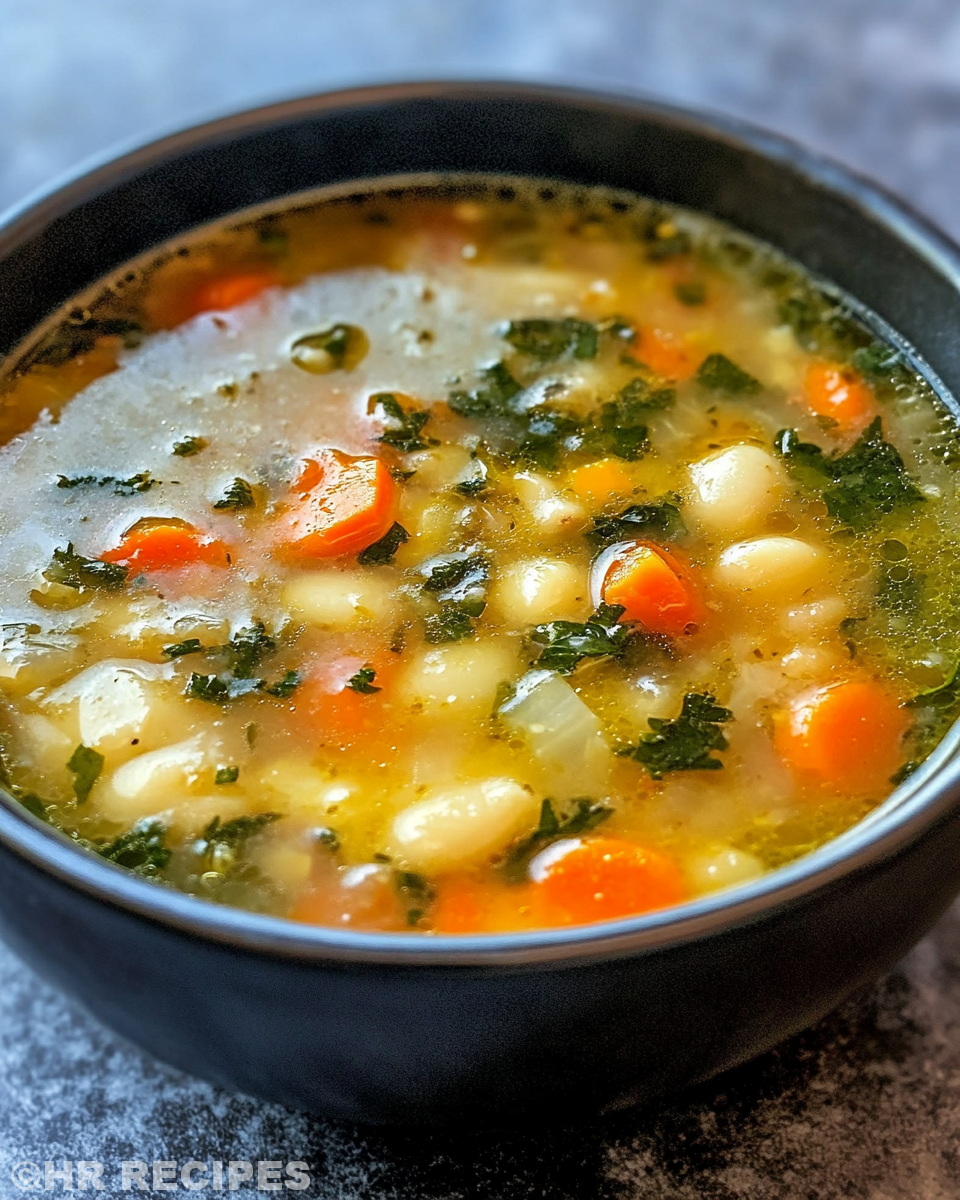
The moment that spoon hits the bowl you sense the warm broth’s depth and richness. It’s all there from the olive oil, butter, garlic, and herbs melding with chicken and veggies.
The tiny pastina gives you these perfect little tender pulls with each bite, kinda like the soup’s little pasta hugs. Every spoon feels cozy and just right.
The grated Parmesan on top melts down slowly, adding creaminess and a nutty finish that lifts the flavors to a classic Italian comfort level. You’ll want seconds, seriously.
Making It Last All Week Long
- Refrigerate your soup in airtight containers and it stays good for about 3-4 days. You’ll love warming it up for a quick lunch or dinner.
- For longer storage, freeze soup in meal-sized portions. Just thaw overnight in the fridge, then warm on stove or microwave.
- If you separate the pastina before storing, it keeps the texture better. Add fresh pasta at mealtime if possible to avoid mushiness.
Common Questions and Real Answers
- Can leftover chicken always be used? Yep, rotisserie or any cooked chicken is perfect here. Just shred and stir in after pressure cooking the broth and veggies.
- What if I don’t have a float valve or sealing ring? Those parts are pretty key for pressure cooking. If yours is missing or broken, I’d recommend fixing or replacing so you can cook safely and well.
- How do I avoid mushy pasta? Add the pastina after you release the pressure, then cook it separately just a few minutes so it stays al dente.
- Can I skip the parmesan rind? Sure, but that rind adds a deep savory flavor you won’t wanna miss if you can get one.
- What herbs work best? Fresh rosemary and thyme are my go-tos for this soup. They bring an earthy brightness that feels homemade.
- How do I do slow release without rushing? Just place your pressure cooker away from you and let the pressure drop naturally. The float valve will drop when it’s safe to open.
For more cozy recipes, check out our Slow Cooker Pierogi Kielbasa Casserole featuring comforting slow-cooked flavors, or our Mozzarella Stuffed Rosemary Parmesan Soft Pretzels perfect for game night snacks. If you're interested in quick and savory meals, the Cheesy Kielbasa Hashbrown Casserole Dump Meal is a great choice too.
Italian Chicken Pastina Soup (aka Italian Nonna's Penicillin Soup)
Equipment
- 1 Pressure cooker with float valve and sealing ring
Ingredients
Main Ingredients
- 2 tablespoons extra virgin olive oil to get that smooth, fruity start
- 1 tablespoon butter for a bit of richness
- 1 large onion diced small
- 1 large shallot finely chopped
- 4 stalks celery diced small
- 1 large yellow bell pepper diced small
- 4 cloves garlic minced
- 8 cups low-sodium chicken broth maybe more
- 1 pound carrots diced small
- 1 parmesan rind optional
- 1 ½ teaspoons kosher salt plus more to taste
- ⅓ cup uncooked pastina tiny pasta; double it if you love noodles in every bite
- 2½ - 3 cups rotisserie or leftover chicken shredded
- grated Parmesan for serving
- finely chopped fresh rosemary and/or fresh thyme leaves to finish with herbal freshness
Instructions
Instructions
- Heat your olive oil and butter in the pressure cooker over medium heat to set the base for flavor.
- Add diced onion and shallot, and cook for 2-3 minutes until softened and translucent.
- Stir in celery, yellow bell pepper, and garlic. Sauté for 5 minutes until everything is tender and fragrant, stirring often.
- Pour in chicken broth. Add diced carrots and optional parmesan rind. Lock the lid, set pressure to high, and cook for 7 minutes.
- Use slow release to gently drop the pressure and open the lid gracefully.
- Stir in pastina and cook for 5-7 minutes on sauté or low-pressure mode until al dente.
- Season with kosher salt and pepper to taste. Remove parmesan rind. Add shredded chicken and stir in reserved veggies if using.
- Serve warm topped with grated Parmesan and fresh herbs.