That first hiss from the cooker tells you something good is happening. You recall that unmistakable sound when the float valve pops up and the pressure build starts. It’s kinda like the moment everything shifts from just ingredients to a pot of deliciousness in the making.
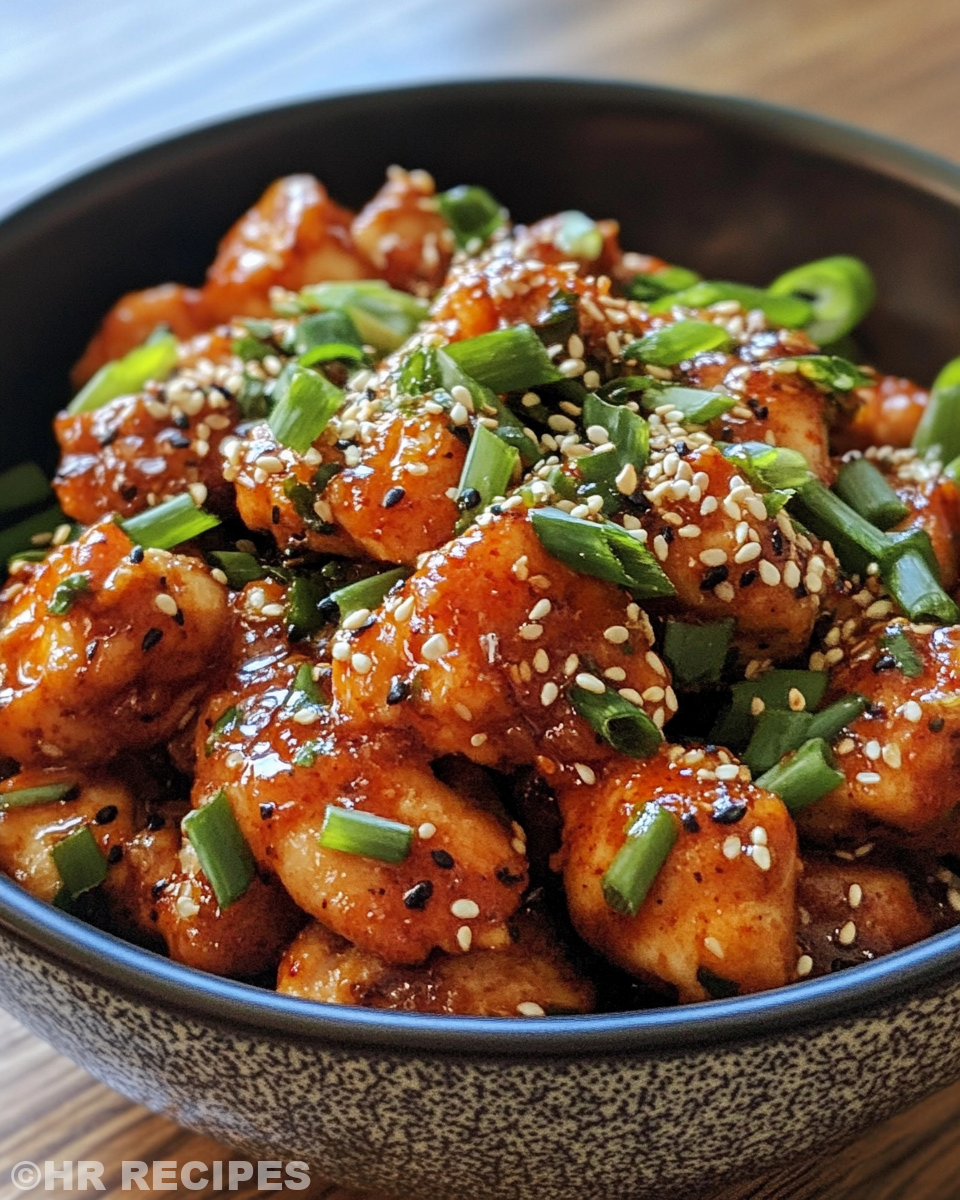
You notice the steam rushing out in a quick valve hiss. It’s such a satisfying sound that kinda promises your Dakgalbi is getting tender and spicy all at once. You can almost smell the blend of chili paste, garlic, and sesame filling the kitchen with warmth.
When you get to that natural release phase, you know the broth depth got richer and the chicken’s soaked up every bit. That pressure cooker treats the flavors so good it’s like everything’s been simmered for hours, but really it’s just minutes. Dang, it works real good.
What Makes Pressure Cooking Win Every Round
- Pressure build quickly gets the heat evenly through your chicken and veggies.
- The sealed environment keeps all those spicy flavors locked inside the pot.
- You get super tender chicken thighs without waiting forever.
- The broth depth becomes intense and rich in less time than stove cooking.
- Natural release means you don’t gotta rush and risk tough meat.
- Easy to control with that float valve showing you when pressure’s where it’s supposed to be.
- Cleanup’s a breeze since it’s all in one pot, so you got more time to eat!
Your Simple Ingredient Checklist
- 1 lb boneless, skinless chicken thigh, diced
- 2 tablespoon oil (split for cooking stages)
- ½ lb Korean rice cake sticks (tteokbokki)
- ¼ to ½ green cabbage, diced
- 8-10 perilla leaves, sliced
- ½ large onion, sliced thin
- 1 medium sweet potato, sliced into ¼-inch wedges
- 3 tablespoon Korean chili paste (gochujang)
- 2 tablespoon soy sauce + 2-4 tablespoon water for stir-fry moisture
- 1 tablespoon toasted sesame seeds to garnish
Don’t forget the little extras like minced garlic, curry powder, ginger powder, sweet rice wine, sugar, sesame oil, and optionally some Korean corn syrup (mulyeot) if you like it sweeter. You won’t regret adding those in! They layer the flavor fine and thick, giving Dakgalbi that punch you wanna bite into.
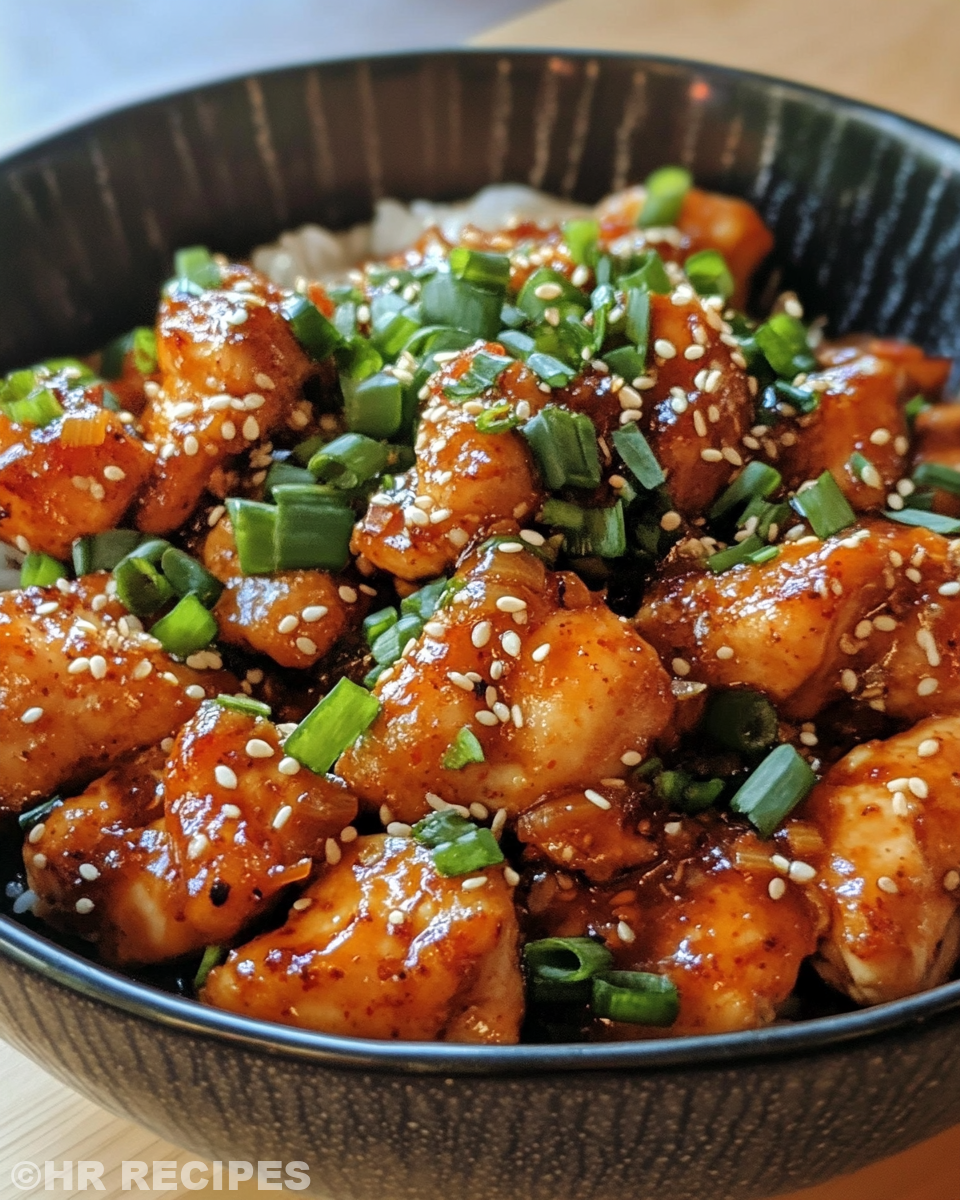
How It All Comes Together Step by Step
First, toss your diced chicken thighs in a bowl with gochujang, soy sauce, sugar, garlic, ginger, and a little curry powder. Mix it all real good and let it marinate for at least 15 minutes. This kickstarts the flavor deep in the meat.
Next heat 2 tablespoons of oil in your pressure cooker lid (or skillet if you’re using). Brown that chicken over medium-high heat until you see a nice color, usually about 5-7 minutes. That’s where the tasty crust forms.
Add sweet potato slices and stir-fry with the chicken another few minutes till they start softening. Sweet potato adds kinda a nice sweetness to balance the spice.
Now throw in the sliced onion, diced cabbage, and those chewy rice cake sticks. Stir everything quick then pour in 2-4 tablespoons of water to help steam and soften the rice cakes. Seal up your pressure cooker lid, making sure that float valve pops up.
Set it to cook and wait for 6 minutes under full pressure. You hear that valve hiss you know it’s working. Then let it natural release for about 10 minutes for the flavors to settle and the broth to thicken.
After the pressure’s gone, open up and quickly toss in the perilla leaves. Mix them in for a minute to keep their fresh, minty flavor. Sprinkle with toasted sesame seeds before serving hot. Y’all good to dig in!
Smart Shortcuts for Busy Days
You gotta admit, sometimes you just want that spicy Dakgalbi fast. One shortcut is prepping your marinade the night before. Then your chicken soaks up all that flavor overnight and you just dump it in the cooker next day.
Another trick is buying pre-sliced sweet potatoes and veggies from the store. Saves chopping time and makes throwing things in the pot faster than ever.
And hey, frozen rice cakes work just fine if fresh ones aren’t around. Toss them in with a little extra water to avoid sticking. These hacks get your meal on the table without fuss, perfect for those dang busy days.
The Flavor Experience Waiting for You
You sense right away the warm, spicy kick from the gochujang and chili flakes blending perfectly with savory garlic and soy notes. It hits your tongue with heat, but backed by a touch of sweetness and deep umami. Thats the kind of combo you keep coming back for.
That broth depth thickens while chicken simmers under pressure giving each bite a juicy, melt-in-your-mouth feel. The rice cakes soak up sauce like sponges, chewy and satisfying with every chew. You remember that feeling of real comfort food just waiting to warm you up late night or anytime.
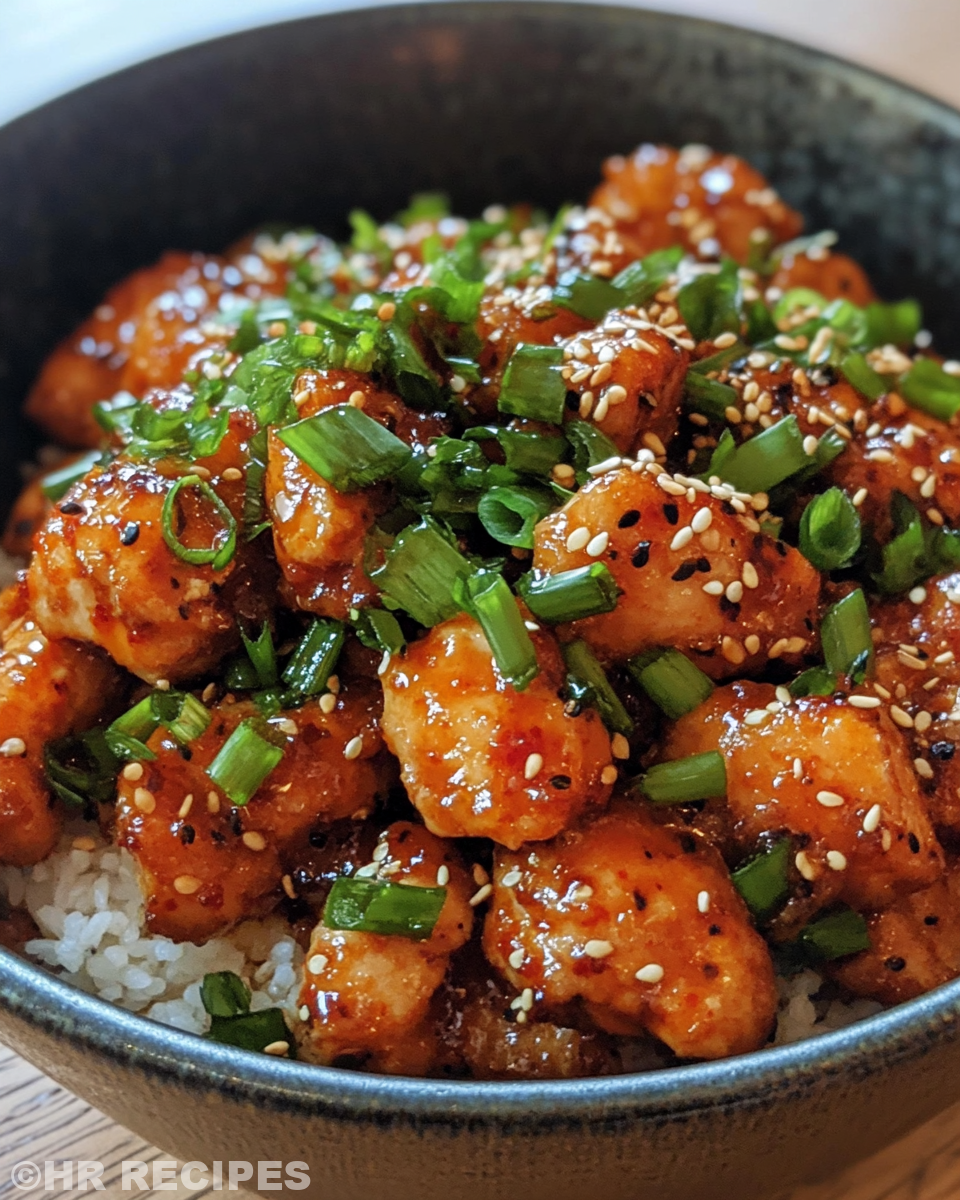
The perilla leaves add a fresh herbal lift right before serving, kinda like a secret little brightness hiding in the layers of spicy richness. And those toasted sesame seeds sprinkle extra nutty crunch on top that ties it all up nice.
Keeping Leftovers Fresh and Ready
Once you got leftovers, you want them tasting just as good. First, store Dakgalbi in an airtight container in the fridge. It’ll keep up to 3 days easy, you just gotta warm it gently.
Reheat in your pressure cooker on low heat setting with a splash of water or broth to keep things moist. Stir occasionally so rice cakes don’t clump up. It keeps chicken tender and sauce fresh tasting.
If you wanna freeze some for later, cool completely then pack in freezer-safe containers. Thaw overnight in fridge before reheating. Freezing works great but texture’s a bit softer so reheat carefully to avoid overcooking.
The FAQ Section You Actually Need
- Can I use chicken breast instead of thigh? Yeah you can, but thighs stay juicy better in the pressure cooker. Breasts might dry out if overcooked so watch the timing.
- How do I know when my pressure cooker is at pressure? Look for the float valve to pop up and listen for that steady valve hiss. That tells you the pressure build is locked in tight.
- What’s the best way to do natural release? Just turn off heat and let your cooker sit. The pressure slowly drops without you lifting the lid. It keeps meat tender and broth rich.
- Can I make this dish spicier or milder? Yep, adjust the gochujang and chili flakes to your taste. More chili flakes mean more heat, less means less spiciness.
- Do I have to use perilla leaves? Not really, but they add a nice fresh herbal note. You can swap with fresh basil or spinach if you want a different twist.
- Are Korean rice cakes necessary? They kinda are for texture and tradition but you can skip if you don’t have them. Just add more cabbage or sweet potato for bulk.
For related recipes, check out our Cheesy Kielbasa Hashbrown Casserole Dump Meal Recipe for a quick and easy option using kielbasa, or explore Mozzarella Stuffed Rosemary Parmesan Soft Pretzels featuring cheesy, herbed treats perfect for snacks. Also, don’t miss our Easy Marinated Cheese Appetizer with Salami & Green Olives as a savory delight to complement your meals.
Dakgalbi (Korean Spicy Chicken Stir-Fry)
Equipment
- 1 Mixing bowl Large
Ingredients
Main ingredients
- 1 lb Boneless, skinless chicken thigh diced
- 2 tablespoon Oil split for cooking stages
- ½ lb Korean rice cake sticks (tteokbokki)
- ¼ to ½ Green cabbage diced
- 8-10 Perilla leaves sliced
- ½ Large onion sliced thin
- 1 Medium sweet potato sliced into ¼-inch wedges
- 3 tablespoon Korean chili paste (gochujang)
- 2 tablespoon Soy sauce
- 2-4 tablespoon Water for stir-fry moisture
- 1 tablespoon Toasted sesame seeds to garnish
- 2 Garlic cloves minced
- 2 tablespoon Korean chili flakes (gochugaru)
- 2 teaspoon Curry powder
- 1 teaspoon Ginger powder
- 2 tablespoon Sweet rice wine (mirim)
- 1 tablespoon Sugar
- 1 tablespoon Sesame oil
- 1 teaspoon Black pepper
- 1 tablespoon Korean corn syrup (mulyeot), optional
Instructions
Instructions
- Marinate chicken with chili paste, soy sauce, sugar, garlic, ginger, and curry powder for 15 minutes.
- Heat oil and brown chicken for 5-7 minutes.
- Add sweet potato and stir-fry until it starts softening.
- Add onion, cabbage, and rice cakes. Stir and add water.
- Seal pressure cooker and cook 6 minutes on high pressure.
- Let naturally release for 10 minutes. Add perilla leaves and mix.
- Garnish with sesame seeds and serve hot.