The pot lid rattles and you know dinner is almost ready. You spot that little steam puff escape the sealing ring, a gentle hiss tapping your ears with excitement. The broth depth is pulling all those flavors together, and you can almost taste the warm ginger and garlic right through the kitchen air.
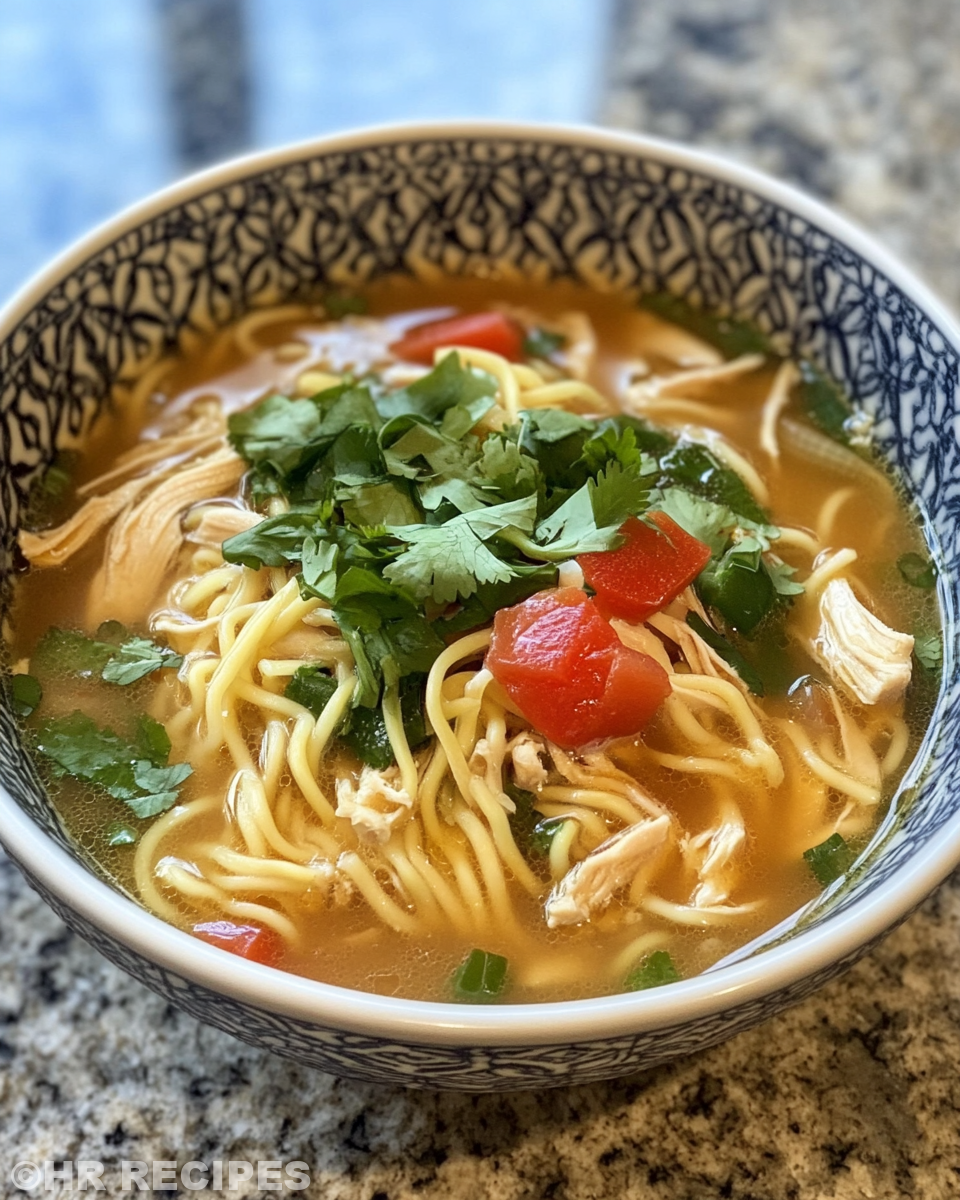
You sense the fresh carrots and celery got soft just right, mixing their sweetness into the flow. It’s cozy and smells like home, the kind of dish that hugs you after a long day. You remember the wide rice noodles soaking up all that goodness, while the chicken sits tender, juicy beneath it all.
Then comes the moment when you lift the lid, steam cues swirling up like little clouds. You see the colors bright and fresh, the cilantro sprinkled just before you started the natural release. The valve hiss quiets as you take a big spoonful, feeling that ginger zing and salty Tamari tickle your tongue. This soup, it’s your kind of soul food.
Why Your Cooker Beats Every Other Pot
- Locks in flavors better than any regular pot, thanks to the tight sealing ring. Discover ways to lock in flavor for your meals.
- Pressure cooks chicken super tender and juicy without drying it out. Try other tender pressure cooker chicken recipes for quick meals.
- Fast natural release saves you from overcooking the delicate noodles.
- The valve hiss gives you cool steam cues to time your cooking right.
- Maintains broth depth so every sip is rich and satisfying. Explore broth recipes that maximize depth to enhance your soups.
- You can toss everything together in one pot and not dirty a million dishes.
- Perfect for quick dinners that taste like they simmered all day.
The Complete Shopping Rundown
Gotta get your hands on some fresh 1 teaspoon olive oil first. Grab about 1 ½ cups sliced carrots, that’s roughly 4 to 5 carrots peeled and ready to go. Next, you’ll want 2 stalks celery sliced into about a cup’s worth.
Don’t forget 3 green onions sliced up nice and thin. For that punch, 2 cloves garlic and 1 ½ tablespoons fresh ginger are essential. The soup needs some zing from 2 teaspoons toasted sesame oil too.
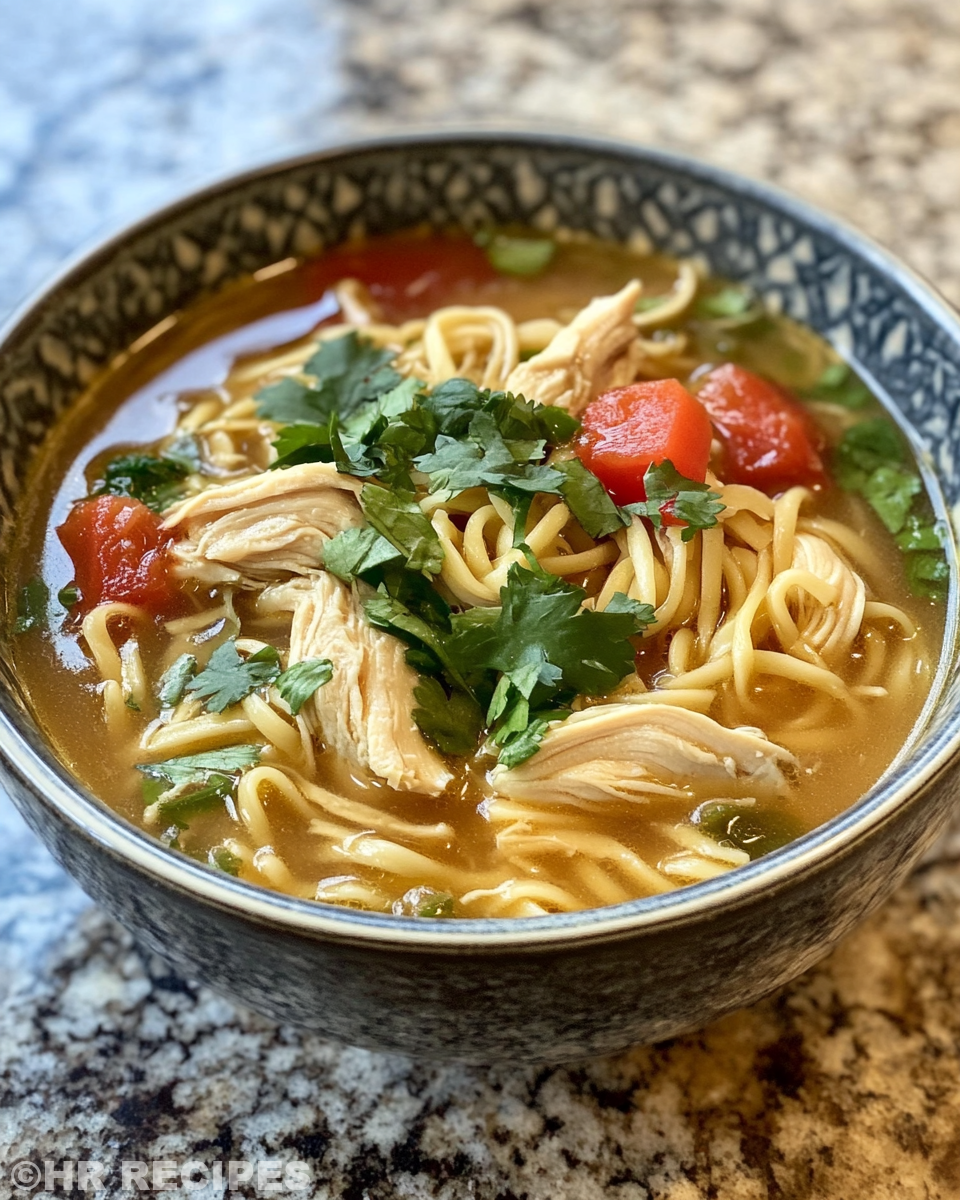
Pour some umami flavor with 3 to 5 tablespoons low sodium gluten free Tamari or swap with coconut aminos if you prefer. For protein, 8 ounces of cooked chicken shredded or cubed is perfect. Then pour in 8 cups low sodium chicken broth to bring it all together.
Finally, fresh herbs like ¼ to ⅓ cup cilantro add that green pop and 4 ounces wide rice noodles soak the flavors beautifully. These ingredients all work together to make the soup just right.
Your Complete Cooking Timeline
Step 1 heat 1 teaspoon olive oil in your pressure cooker pot over medium heat. You wanna get that base ready for the veggies.
Step 2 toss in sliced carrots, celery, and green onions. Let ‘em cook about 5 to 7 minutes, stirring now and then so they soften nicely.
Step 3 stir in garlic and fresh ginger. Let it cook for just 1 minute or until you smell that fragrant zing that hits your nose.
Step 4 pour in the chicken broth and wait for a gentle simmer. This is where broth depth really starts building.
Step 5 add in cooked chicken and drizzle toasted sesame oil on top. Then season with gluten free Tamari, starting with 3 tablespoons, taste, and add more if you like.
Step 6 close the lid, make sure your sealing ring is tight, and bring up pressure. Once at pressure, set a timer for about 8 minutes then let it natural release for 10 minutes. Pay attention to the valve hiss as it slows and then stop.
Step 7 open the lid carefully, add the wide rice noodles, stir them in, and let them soak up the broth for a few minutes before serving. Sprinkle cilantro right before you ladle the soup into bowls.
Time Savers That Actually Work
- Use pre-cooked rotisserie chicken for quick protein that still tastes awesome. Check out our easy rotisserie chicken recipes for inspiration.
- Grab pre-sliced veggies from your store’s produce section to cut chopping time.
- Minced garlic in a jar works just fine if you're short on fresh cloves.
- Make your broth ahead and freeze in ice cube trays for rapid use later on. Read about how to make and freeze broth.
- Cook rice noodles separately while soup simmers, then mix right before serving to save on timing stress.
Your First Taste After the Wait
You lift that spoonful and the warm broth hits your lips with a cozy ginger punch. It kinda clicks instantly in your mind that you’re in for a comforting meal. The garlic and toasted sesame oil add a nuttiness that’s hard to beat.
The rice noodles soak in the soup so perfectly, each bite soft and slippery but still with a little bite. You sense the gentle carrots and celery sweetness running through each spoon, cutting the salty punch just right.
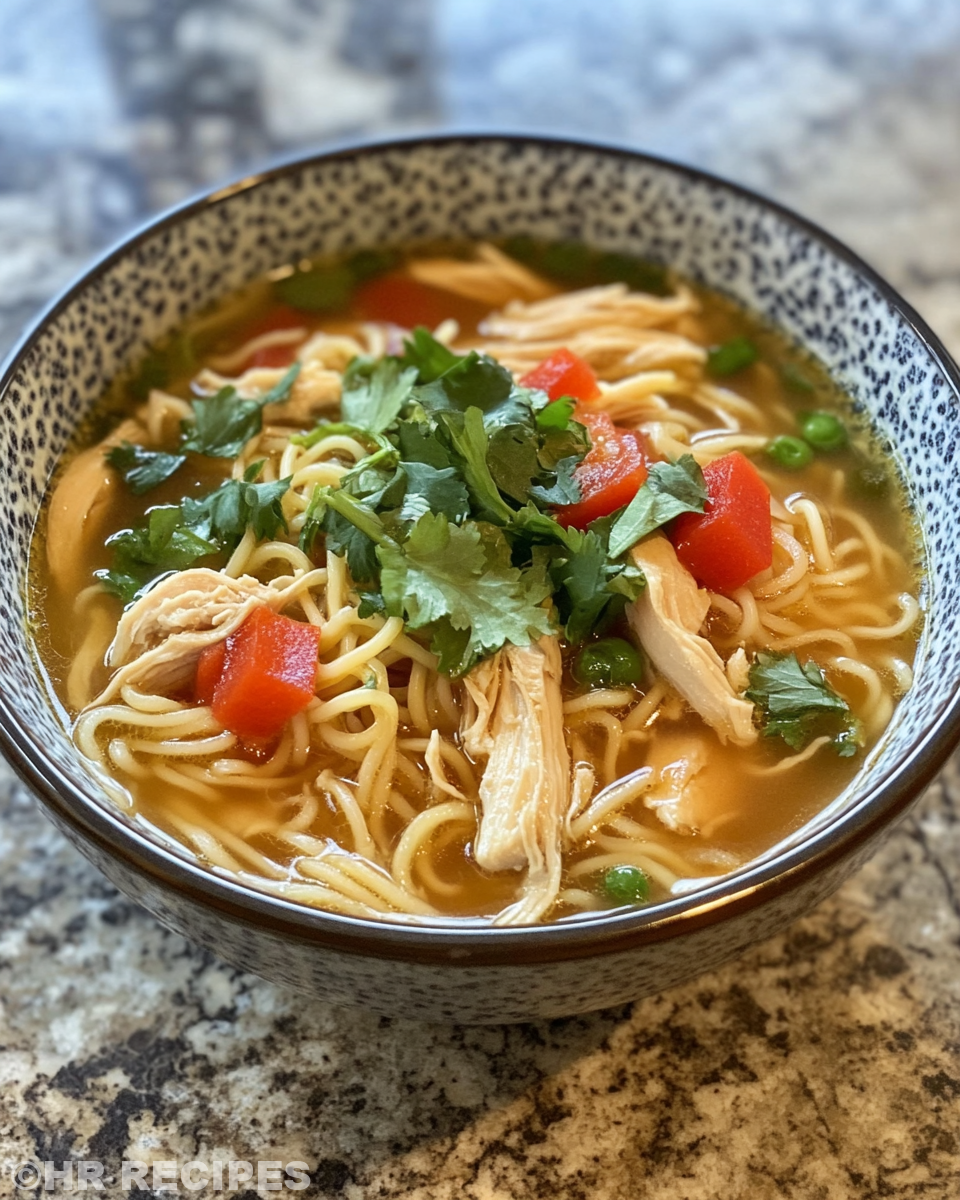
Chicken chunks are tender, like they cooked up just right and soak up all those Tamari flavors. The cilantro sprinkles give a fresh green lift at the end, finishing off each mouthful with cool brightness.
It’s the kind of soup you wanna curl up with, the kind that hits all your senses warmly. The balance is just right, no crazy tastes, just simple good food you made with a little help from your cooker.
Your Leftover Strategy Guide
To keep leftovers tasty, store soup in airtight containers in the fridge up to 4 days. The noodles soak broth over time so you might wanna keep them separate and add fresh when reheating.
If you freeze your soup, skip adding noodles until reheating. Freeze in sealed freezer bags or containers for up to 3 months. Thaw in fridge overnight then warm gently on the stove.
Reheat soup on low heat for best flavor. Stir gently and add a splash of broth or water if it feels thick. Cilantro can be added fresh at serving to brighten leftovers again.
Everything Else You Wondered About
- Can I use different noodles? Yeah totally. Rice noodles work best gluten free but you can swap with zucchini noodles or gluten free pasta if you want.
- How do I avoid mushy chicken? Make sure to natural release pressure and don’t overcook. Chicken is already cooked before adding so short cooking time is key.
- Why is the broth sometimes salty? Tamari adds saltiness so start low and taste. You can always add low sodium broth to balance.
- My soup is watery, how to fix? Simmer uncovered a few minutes after pressure cooking to thicken it up. Adding a spoon of cornstarch slurry can help too.
- Can I make this vegan or paleo?You bet. Use veggie broth, jackfruit or tofu for protein, and coconut aminos instead of Tamari.
- How do I clean my pressure cooker after?Remove the sealing ring and wash it well with warm soapy water. Wipe the lid and pot inside thoroughly to avoid stuck on bits.
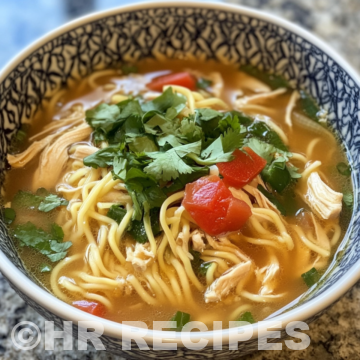
Ginger Chicken Noodle Soup and More Pressure Cooker Delights
Equipment
- 1 Pressure cooker
Ingredients
Main ingredients
- 1 teaspoon Olive oil
- 1 ½ cups Carrots sliced, about 4-5 carrots
- 2 stalks Celery sliced, about 1 cup
- 3 Green onions sliced thin
- 2 cloves Garlic minced
- 1 ½ tablespoon Fresh ginger minced
- 2 teaspoon Toasted sesame oil
- 3-5 tablespoon Low sodium gluten free Tamari or coconut aminos
- 8 oz Cooked chicken shredded or cubed
- 8 cups Low sodium chicken broth
- ¼ to ⅓ cup Cilantro freshly chopped
- 4 oz Wide rice noodles
Instructions
Instructions
- Heat olive oil in your pressure cooker pot over medium heat.
- Add sliced carrots, celery, and green onions. Cook for 5 to 7 minutes until softened, stirring occasionally.
- Stir in garlic and fresh ginger. Cook for 1 minute until fragrant.
- Pour in the chicken broth and bring to gentle simmer.
- Add cooked chicken and drizzle toasted sesame oil. Season with Tamari, starting with 3 tablespoons and adjusting to taste.
- Close lid, ensure sealing ring is tight. Bring to pressure, then cook for 8 minutes. Let natural release for 10 minutes.
- Open lid carefully, add rice noodles and stir. Let them soak a few minutes.
- Sprinkle cilantro before ladling soup into bowls and serve warm.