That first hiss from the cooker tells you something good is happening. You feel a little thrill when that valve hiss lets you know the pressure build is on and your meal is cooking fast. It’s kinda like a promise that dinner’s gonna turn out just right.
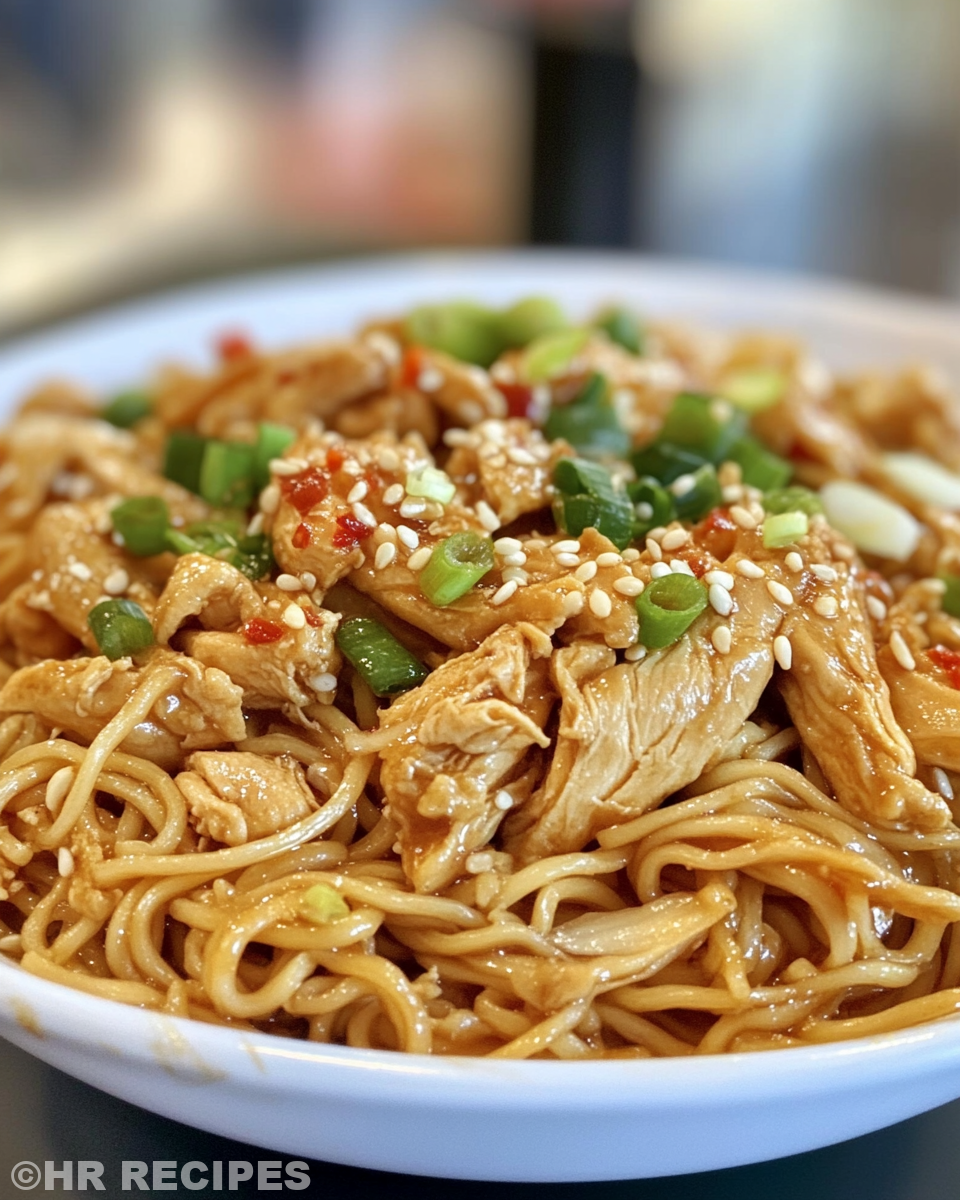
As the pressure cooker does its thing, you recall how fast you got the ingredients together and how easy it was to toss everything inside. No waiting half a day for flavors to blend, this is fast and flavorful, just what city life needs.
When you finally quick release the steam, you notice the room fills with a savory smell that’s like a little reward for your effort. The tender pull of the noodles and chicken is just right, not mushy or dry. You’re ready to dig in and enjoy every bite!
Why This Recipe Works Every Single Time
- The pressure cooker seals in all the flavors so nothing escapes.
- Quick release means you keep noodles perfectly tender, not soggy.
- Using thinly sliced chicken breast or thigh cooks fast and stays juicy.
- Peanut oil adds a nice aroma without overpowering the dish.
- Cabbage and bean sprouts keep things crisp even after pressure cooking.
- The slurry thickens the sauce just right for coating those noodles.
- Soy, oyster sauce, and a splash of Chinese cooking wine balance savory and sweet.
Everything You Need Lined Up
- 200g chicken breast or thigh fillets, thinly sliced — tenderised if you like it extra soft.
- 4 cups finely shredded green cabbage, for that crisp texture.
- 1 ½ tablespoon peanut oil or similar cooking oil.
- 2 cloves garlic, finely chopped to release flavor quickly.
- 200g chow mein noodles, cooked and drained beforehand.
- 1 carrot, julienned for a little sweet crunch.
- 1 ½ cups bean sprouts — freshness to balance the rich sauce.
- 3 green onions cut into 2 inch pieces to add bites of green.
- ¼ cup water mixed with 2 teaspoon cornstarch to make your silky slurry.
- Seasonings: 1 ½ tablespoon soy sauce, 1 ½ tablespoon oyster sauce, 1 ½ tablespoon Chinese cooking wine or Mirin, 2 teaspoon sugar (1 teaspoon if using Mirin), ½ teaspoon sesame oil, plus white pepper to taste.
How It All Comes Together Step by Step
Step 1. You start by mixing cornstarch and water to make your slurry. Set that aside so it’s ready when you need it.
Step 2. Cook the chow mein noodles as the package says, drain and set them to the side. This helps keep noodles just right.
Step 3. Heat 1 tablespoon of peanut oil in a big wok or skillet over high heat. Toss in the chicken slices and stir-fry for 2-3 minutes till they look cooked through. Take the chicken out and set it aside.
Step 4. Add the rest of the oil to your wok. Throw in that garlic and stir-fry for about 15 seconds till it smells real good.
Step 5. Now add your shredded cabbage and carrot. Stir them around for 2-3 minutes till they get a bit soft but still have crunch.
Step 6. Return the chicken to the wok and add the cooked noodles. Then toss in bean sprouts and green onions. Pour in the cornstarch slurry and give everything a good stir for 1-2 minutes till sauce thickens and heats through.
Step 7. Drizzle sesame oil and sprinkle some white pepper. Give one last toss and it’s ready to serve! Hot, fresh and tasty as heck.
Valve Hacks You Need to Know
When the cooker starts pressure build, you gotta keep an eye on the valve hiss. That hissing sound tells you the cooker is doing its job and locking in all that flavor.
For chow mein, you want to quick release the pressure as soon as cooking time’s up. This stops noodles from overcooking and keeps their tender pull just right. Slow release can make noodles soggy and sad.
If you wanna save time, you can pre-soak the noodles so they cook even quicker and reduce overall pressure time. That trick works real good when you got lazy taste buds to satisfy fast.
That First Bite Moment
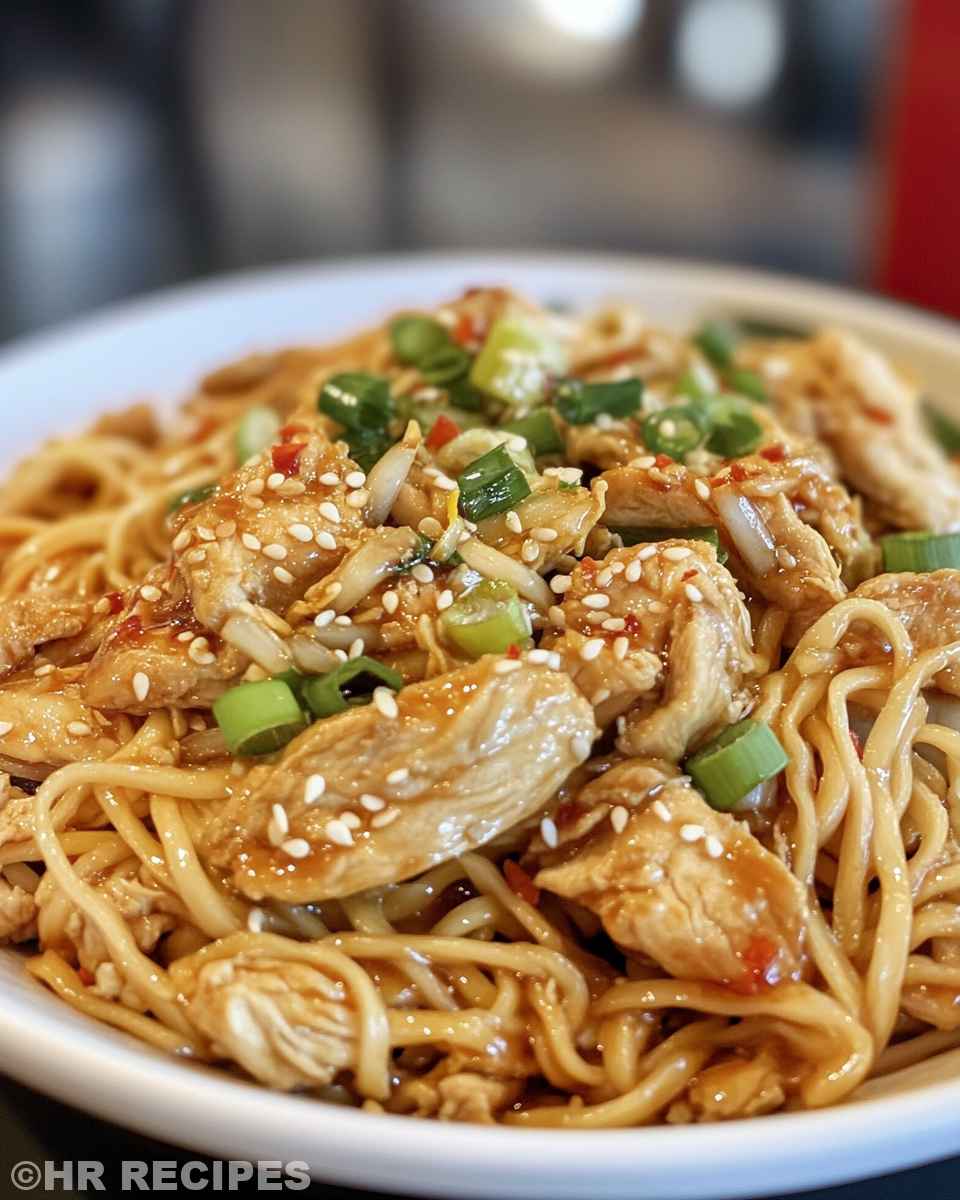
You pick up your chopsticks and grab a generous tangle of noodles with chicken and veggies. The juicy chicken pops with flavor, tender and just right.
The cabbage and bean sprouts add a crunchy contrast that makes each bite feel alive and fresh. You notice how the sauce clings to everything, silky with that hint of sweet and salty from the soy and oyster sauces.
The sesame oil sneaks in a nutty twist, and the garlic aroma makes you wanna go back for more. It all blends so good that your mouth kinda dances with every chew.
You feel proud, not just ‘cause it tastes awesome but ‘cause you whipped this up fast with your pressure cooker. It’s comfort food but smart and speedy too. For other quick meals, you might enjoy our Cheesy Kielbasa Hashbrown Casserole or try the popular Mozzarella Stuffed Rosemary Parmesan Soft Pretzels.
Smart Storage That Actually Works
When you got leftovers, let your chow meinNagi cool down before sealing it tight in an airtight container. This keeps it fresh for up to 3 days in the fridge.
For longer storage, pop leftovers in the freezer in a freezer bag. Make sure to squeeze out extra air. It stays good for a month or so, and when you thaw it, add a splash of water before reheating to keep noodles from drying out.
If you’re reheating, use low heat and add a tiny bit of oil or water so no sticking or drying happens. Stir it often to warm it evenly. Pressure cooker leftovers taste real good even the next day.
Your Most Asked Questions Answered
- Can I use another protein besides chicken? Totally! Shrimp or beef strips work well too. Just adjust cook time a little so you don’t overdo it.
- Do I need to pre-cook noodles? Yeah, cooking noodles before pressure cooking keeps them from turning mushy and falling apart.
- What if I don’t have Chinese cooking wine? Mirin is a fine swap. Just reduce sugar a bit since Mirin’s sweeter.
- Can I skip the cornstarch slurry? You can, but sauce won’t thicken as nicely and might be runny.
- How do I tenderise chicken for this recipe? Thin slices and gentle pounding help. Marinade with a bit of soy sauce and cornflour if you want extra tender results.
- Is slow release better than quick release here? For chow mein, quick release is best to keep noodles with that tender pull. Slow release might make noodles too soft.
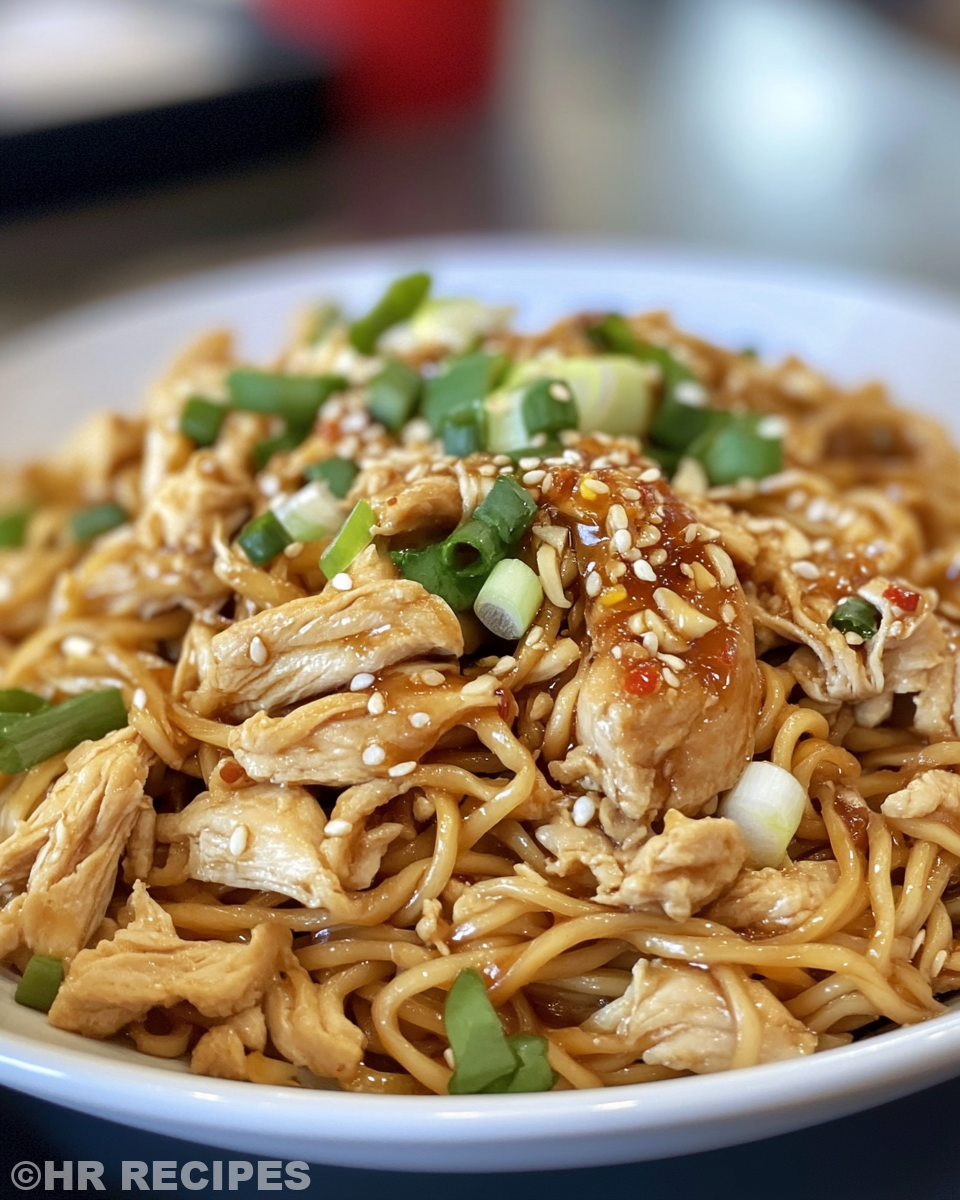
For a delightful appetizer to start your meal, check out our Easy Marinated Cheese Appetizer with Salami & Green Olives. It pairs wonderfully with this chow mein.
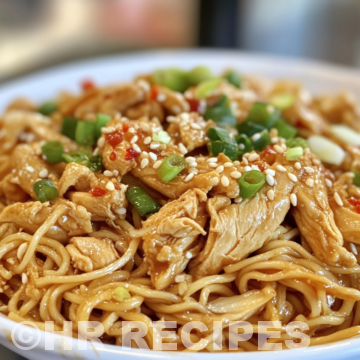
Chow MeinNagi Pressure Cooker Recipe
Equipment
- 1 Mixing bowl Large
Ingredients
Main Ingredients
- 200 g chicken breast or thigh fillets thinly sliced
- 4 cups green cabbage finely shredded
- 1 ½ tablespoon peanut oil or similar cooking oil
- 2 cloves garlic finely chopped
- 200 g chow mein noodles cooked and drained
- 1 carrot julienned
- 1 ½ cups bean sprouts
- 3 green onions cut into 2 inch pieces
- ¼ cup water mixed with 2 teaspoon cornstarch
- 1 ½ tablespoon soy sauce
- 1 ½ tablespoon oyster sauce
- 1 ½ tablespoon Chinese cooking wine or Mirin
- 2 teaspoon sugar 1 teaspoon if using Mirin
- ½ teaspoon sesame oil
- white pepper to taste
Instructions
Instructions
- Mix cornstarch and water to make the slurry and set aside.
- Cook chow mein noodles per package instructions, drain and set aside.
- Heat 1 tablespoon oil in wok/skillet over high heat. Stir-fry chicken for 2-3 minutes until cooked through. Remove and set aside.
- In same wok add remaining oil and garlic. Stir-fry 15 seconds until aromatic.
- Add cabbage and carrot. Stir-fry 2-3 minutes until slightly softened.
- Return chicken to wok and add noodles, bean sprouts, and green onions.
- Pour in slurry and sauces. Stir-fry 1-2 minutes until heated through and sauce thickens.
- Drizzle sesame oil and sprinkle white pepper. Toss to combine and serve.