The pressure builds and you start counting down minutes until you eat. You watch that float valve pop up like a little signal telling you things are coming along just fine. It’s kinda thrilling, waiting for that perfect steam cues inside the cooker.
When the natural release finally kicks in, you feel this little rush of excitement. You catch the warmth from the cooker as it cools down slowly, reminding you how close those cookies are to being ready. The broth depth inside the cooker keeps everything moist and tender.
You recall the last time you tried something new in your pressure cooker and it totally surprised you. This gingerbread cheesecake cookie recipe is gonna be that kinda surprise. You’re just seconds away from tasting soft cookie dough hugging smooth cream cheese filling. Yes, dang good things come under pressure.
The Real Reasons You Will Love This Method
- Keeps cookies super soft and moist 'cause steam surrounds them evenly.
- Pressure build speeds up the whole baking game unlike regular ovens.
- The float valve signal means you’re right on track without guesswork.
- Natural release lets cookies finish gently so edges ain’t dry.
- Broth depth below baking sheets adds needed moisture for that perfect chew.
- Steam cues are easy to watch so you know when to start the countdown.
- You get a kinda cozy kitchen smell without heating the whole apartment.
Everything You Need Lined Up
To make these cookies, first you gotta have 125 grams of cream cheese softened real good to room temperature. Then grab 75 grams of powdered sugar and half a teaspoon of vanilla extract for that dreamy filling.
For the dough you’ll need 250 grams of all-purpose flour, 1 teaspoon of baking soda that helps cookies rise just right. Don’t forget 1 teaspoon ground cinnamon, 1 teaspoon ground ginger, quarter teaspoon ground cloves, and quarter teaspoon nutmeg. A quarter teaspoon salt brings all the spices together.
Softened butter’s important here so get about 150 grams of unsalted butter ready. Brown sugar (100 grams) and granulated sugar (50 grams) add sweetness and texture. You’re gonna mix in 100 grams of molasses for that moody gingerbread vibe. One large egg at room temp and 2 teaspoons vanilla extract smooth out the dough. Last, for rolling, keep 50 grams of granulated sugar waiting on the side.
How It All Comes Together Step by Step
Step one you blend that cream cheese with powdered sugar and vanilla extract until it’s super smooth. Pop it in the fridge to chill for about 30 minutes. This chill time lets those flavors mellow.
Next you whisk together all the dry dough ingredients: flour, baking soda, cinnamon, ginger, cloves, nutmeg, and salt. You want everything evenly mixed before you add wet stuff.
After that, cream the butter and brown sugar until it looks light and fluffy. Beat in the molasses and egg until it’s all well blended.
Gradually add dry ingredients into your wet mix and stir gently until you get a soft dough. It’s gonna be kinda sticky but that’s what you want. Then put the dough back in the fridge and chill for at least one hour to firm up.
When you’re ready, preheat your oven to 180 degrees Celsius (350°F) and line your baking sheets with parchment paper. This part’s for later but good to be prepared.
Scoop tablespoon-sized dough balls, flatten them a bit, and spoon a small dollop of your chilled cream cheese filling in the center. Wrap dough around filling sealing edges completely. Roll those balls in granulated sugar before setting them on sheets spaced out plenty.
Bake for 10 to 12 minutes till edges are set and tops crack just a bit. Let cookies cool on the sheet 5 minutes then shift them over to a wire rack till fully cool. That’s it! You got yourself gingerbread cheesecake cookies that’ll make you wanna hug the cooker.
Quick Tricks That Save Your Time
One trick is to soften cream cheese and butter in advance, like the night before. That way, your mixing goes smooth and fast.
Using a stand mixer can speed up creaming the butter and sugars—you gotta love robot helpers. It really helps if your dough is sticky to keep your hands less messy.
Last, chill dough bowls and mixing tools in freezer for a bit. Cold gear means dough firms up quicker and sticks less. You gonna like how easy shaping gets.
That First Bite Moment
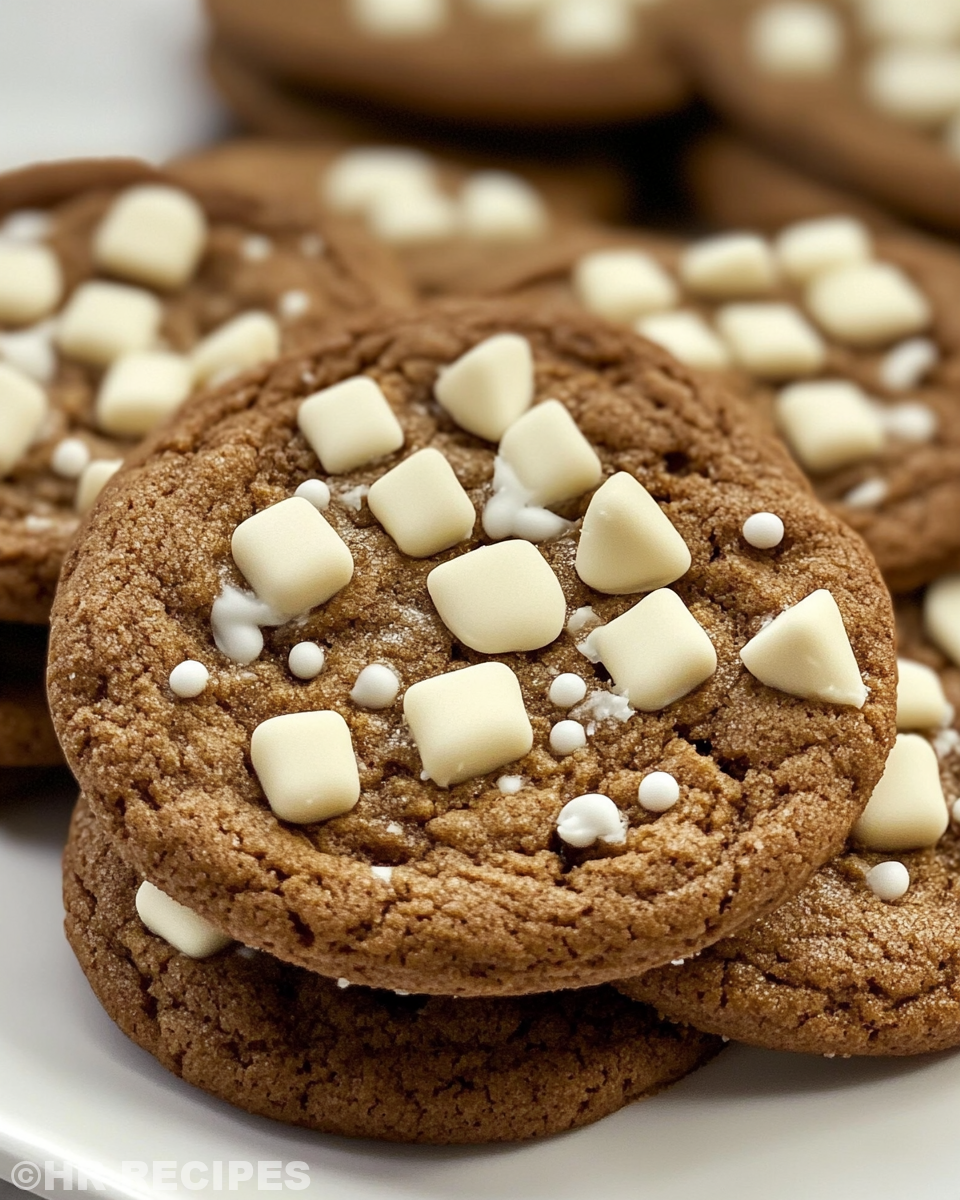
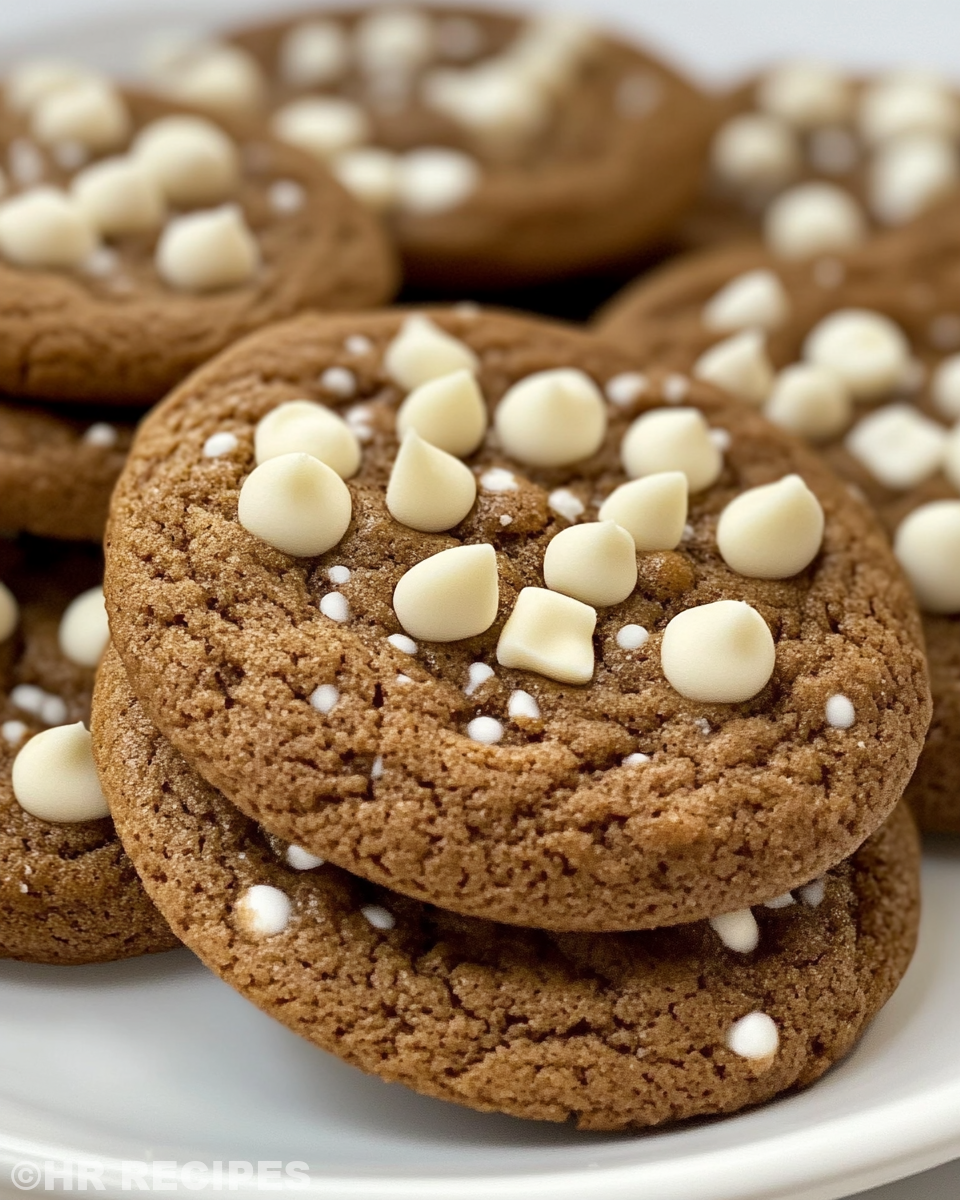
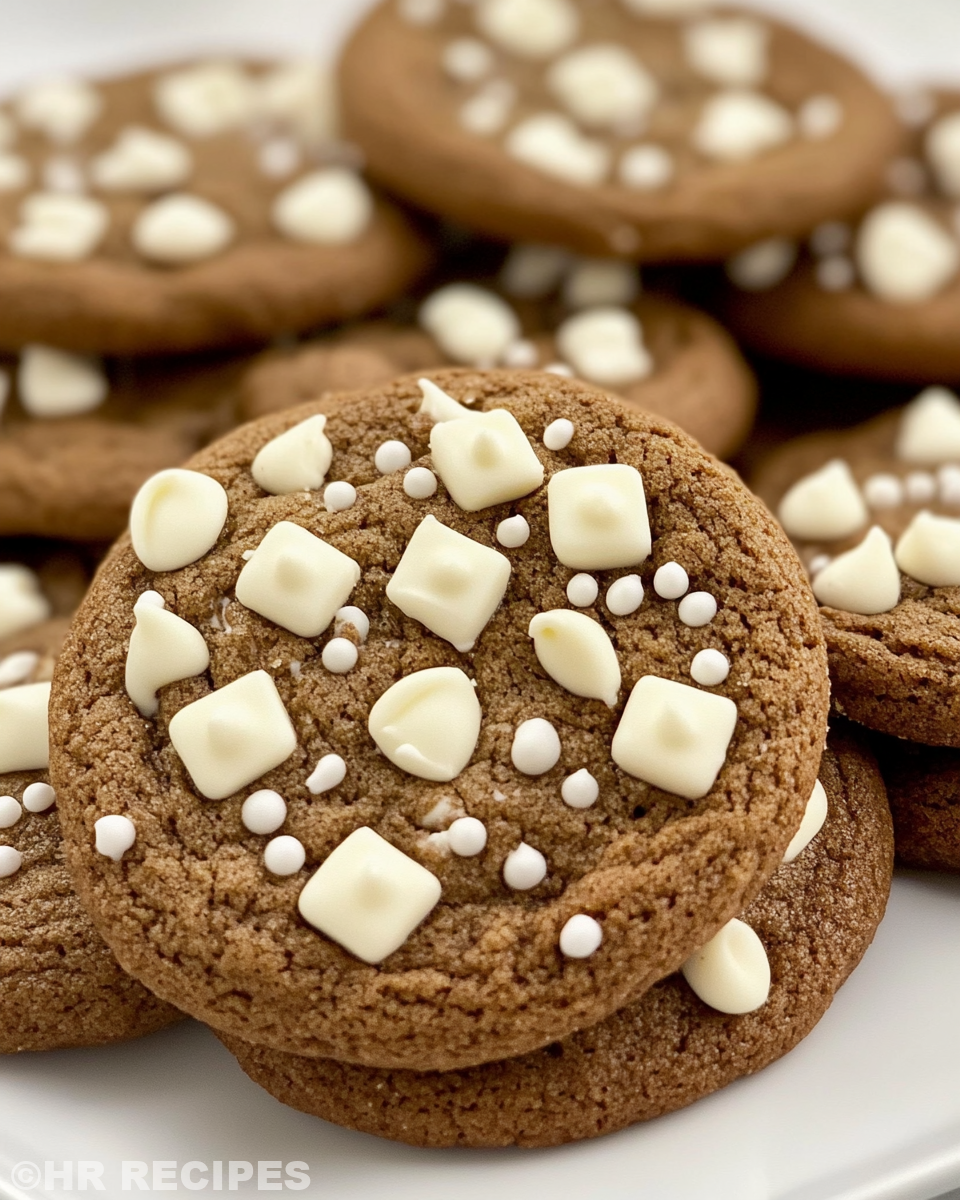
You take that first bite and notice the cookie feels soft and squeezes lightly between your fingers. The outside’s sugary with a little crunch while the inside’s tender and almost cakey.
Then you catch that creamy cheesecake filling melting on your tongue, smooth and rich with a hint of vanilla. It mixes kinda perfectly with the warm spices in the cookie dough.
The ginger, cinnamon, and molasses dance in your mouth, all cozy and spicy from the cloves and nutmeg sneaking through. It’s like a warm hug from winter itself.
As you chew, the flavors deepen and linger just long enough to make you want another. It’s dang satisfying, really the kinda treat that makes the wait totally worth it.
Smart Storage That Actually Works
Store cookies in an airtight container at room temp for 3 to 4 days. The cream cheese inside stays soft but if it’s too warm, you might see a little sweating.
You can pop them in the fridge for up to a week and they hold together better but might lose a bit of softness. Just bring back to room temp before eating and they’re fine.
Freeze baked cookies in single layers on a sheet then transfer to a freezer bag. They keep well for a month. Thaw on the counter or warm low and slow in the oven with steam cues so they don’t dry.
For dough storage, wrap tightly in plastic wrap and refrigerate up to 3 days. Freezing dough balls is also fine for up to a month—bake straight from frozen but add 2 extra minutes to bake time.
Common Questions and Real Answers
- Can I skip cream cheese filling? You could but this filling makes the cookie so tender and rich. Without it, cookies come out tougher and less unique.
- What if my float valve doesn’t rise? Make sure your cooker seal is tight and there’s enough broth depth at the bottom. It’s key to build pressure and steam properly.
- Can I use a different sweetener? Brown sugar and molasses bring a distinctive flavor you won’t get from substitutes, but you can try honey or maple syrup. Just watch the dough consistency.
- How long should I do natural release? About 10 minutes is good to avoid overcooking and keep cookies moist. Quick release might dry edges.
- Is it okay to add nuts? Totally! Chopped pecans or walnuts mix great for added crunch. Fold them in with dry ingredients for even distribution.
- Can I make dough ahead? Yes, chilling dough longer actually improve flavor. Freeze dough balls for easy baking later without losing any yum.
For related recipes, check out our Cheesy Kielbasa Hashbrown Casserole Dump Meal Recipe for a quick and easy option using kielbasa, or explore Mozzarella Stuffed Rosemary Parmesan Soft Pretzels featuring cheesy, herbed treats perfect for snacks. Also, don’t miss our Easy Marinated Cheese Appetizer with Salami & Green Olives as a savory delight to complement your meals.
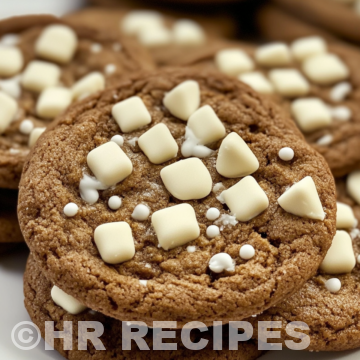
Gingerbread Cheesecake Cookies
Equipment
- 1 Mixing bowl Large
- 1 Electric hand mixer
- 1 Baking sheet Lined with parchment
Ingredients
Ingredients
- 125 g Cream cheese softened
- 75 g Powdered sugar
- 0.5 teaspoon Vanilla extract
- 250 g All-purpose flour
- 1 teaspoon Baking soda
- 1 teaspoon Ground cinnamon
- 1 teaspoon Ground ginger
- 0.25 teaspoon Ground cloves
- 0.25 teaspoon Ground nutmeg
- 0.25 teaspoon Salt
- 150 g Unsalted butter softened
- 100 g Brown sugar
- 50 g Granulated sugar
- 100 g Molasses cooking molasses
- 1 Large egg room temperature
- 2 teaspoon Vanilla extract
- 50 g Granulated sugar for rolling
Instructions
Instructions
- Beat cream cheese until creamy. Add powdered sugar and vanilla; beat until smooth. Chill mixture 30 minutes.
- Whisk together flour, baking soda, cinnamon, ginger, cloves, nutmeg, and salt.
- Cream butter and sugars until fluffy. Add molasses and egg, then vanilla. Mix well.
- Blend in dry ingredients gradually to form a sticky dough. Chill for at least 1 hour.
- Preheat oven to 180°C (350°F). Line baking sheets. Flatten dough balls and wrap around chilled cream cheese filling. Roll in sugar.
- Bake for 10–12 minutes until edges are set and tops are slightly cracked.
- Cool on baking sheet 5 minutes, then transfer to wire racks.
- Store cooled cookies in airtight container at room temp for up to 3–4 days or freeze for longer shelf life.
- Optional: Soften butter and cream cheese ahead to save time. Chill mixing tools to help dough set faster.