Pаsta sauce feels like the soul of so many recipes ; it does way more than just sit on top of your noodles . It’s versatile and you can mix up simple spices or fancy cheese to change the taste . Some people loves a red marinara , others go for a thick Alfredo or herby pesto . Any one of them can turn plain pasta into a fancy meal .
Store bought sauces are handy , but making your hоmemade version is kinda fun and tastes better . You pick fresh tomatoes or cream and add seasonings just how you like it . That way you control every ingredient and can try out new flavors or tricks in the kitchen .
In this guide we’ll show you the main kinds of sauces , some key ingredients and cool recipes to try at home . We’ll also cover neat tips for making your sauce taste deeper , plus how to save leftovers . By the end you’ll feel more confident whipping up a killer pasta sauce .
1. Understanding Pasta Sauce
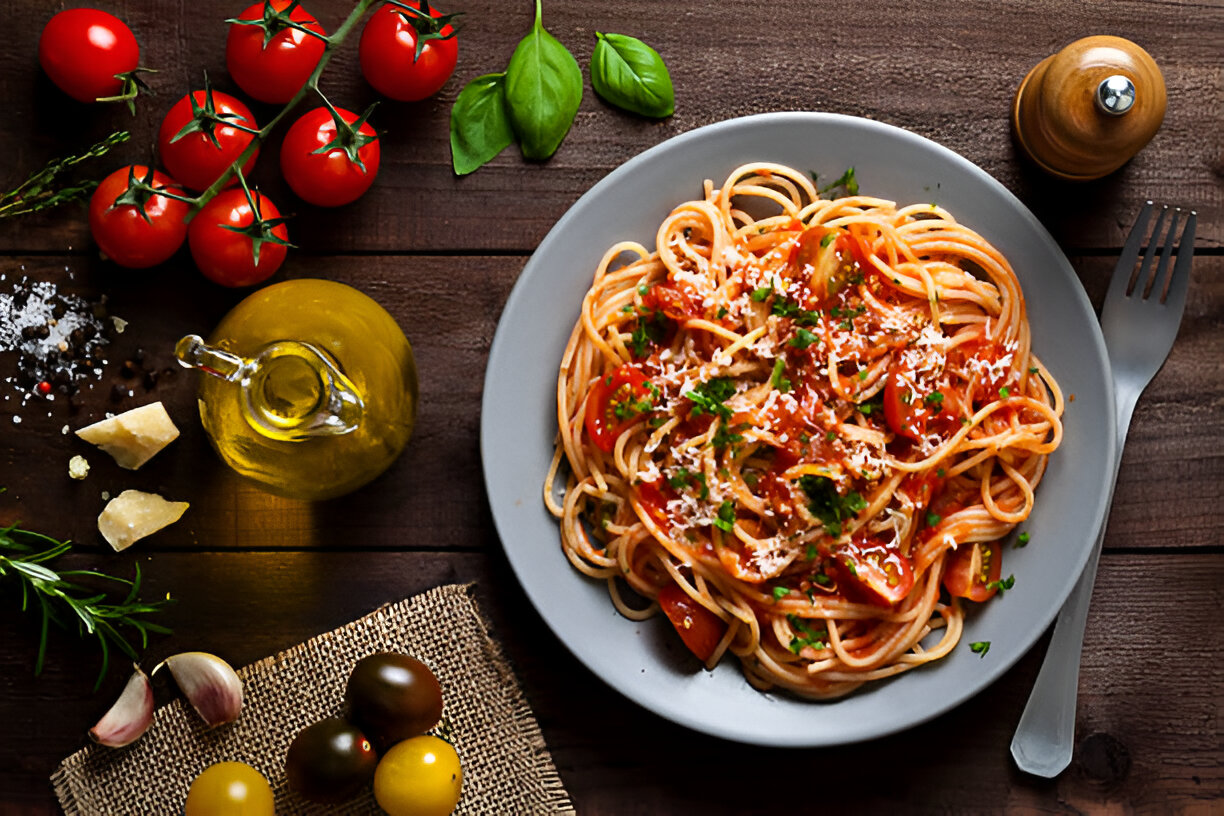
Pasta sauce is a tasty liquid that you mix with pasta to make it moist and full of flavor . It’s a big deal in Italian food but people use it all over the world . Some sauces are light and fresh , while others are thick and rich . Which one you choose can change the whole dish .
1.1 What is Pasta Sauce?
At its core , pasta sauce is a blend of flavors and textures . It can come from tomatoes , cream , cheese , oil , or even veggies . You can have it chunky or smooth , and the shape of your pasta helps decide which you pick .
1.2 History of Pasta Sauce
Pasta sauce started in Italy with simple mixes of olive oil , herbs and tomatoes . When Italians moved to other places , they used local ingredients to tweak their sauces . Over time people all over added their own spin , so now there’s tons of versions .
1.3 Types of Pasta Sauce
Here are three big groups :
- Tomato-based sauces : Think marinara or arrabbiata with ripe tomatoes , garlic and herbs .
- Cream-based sauces : Rich ones like Alfredo or carbonara loaded with cheese and butter .
- Oil-based sauces : Light sauces like aglio e olio or pesto using olive oil , herbs and nuts .
2. Basic Ingredients for Pasta Sauce
Good ingredients make your sauce pop with flavor . Even simple recipes get better when you pick the freshest stuff .
2.1 Common Ingredients
- Tomatoes : Fresh or canned , they’re the base of many sauces .
- Garlic : Gives a strong , yummy aroma .
- Olive oil : Helps blend everything smooth .
- Herbs : Basil , oregano or parsley add bright taste .
2.2 Specialty Ingredients
- Wine : Brings acidity and fancy taste .
- Cheese : Parmesan or ricotta make it creamy and savory .
- Spices : Red pepper flakes or nutmeg give a surprise kick .
2.3 Tips for Quality Ingredients
Grab seasonal produce , use extra virgin olive oil and pick nice cheeses . For canned tomatoes , San Marzano are a top pick if you can find them .
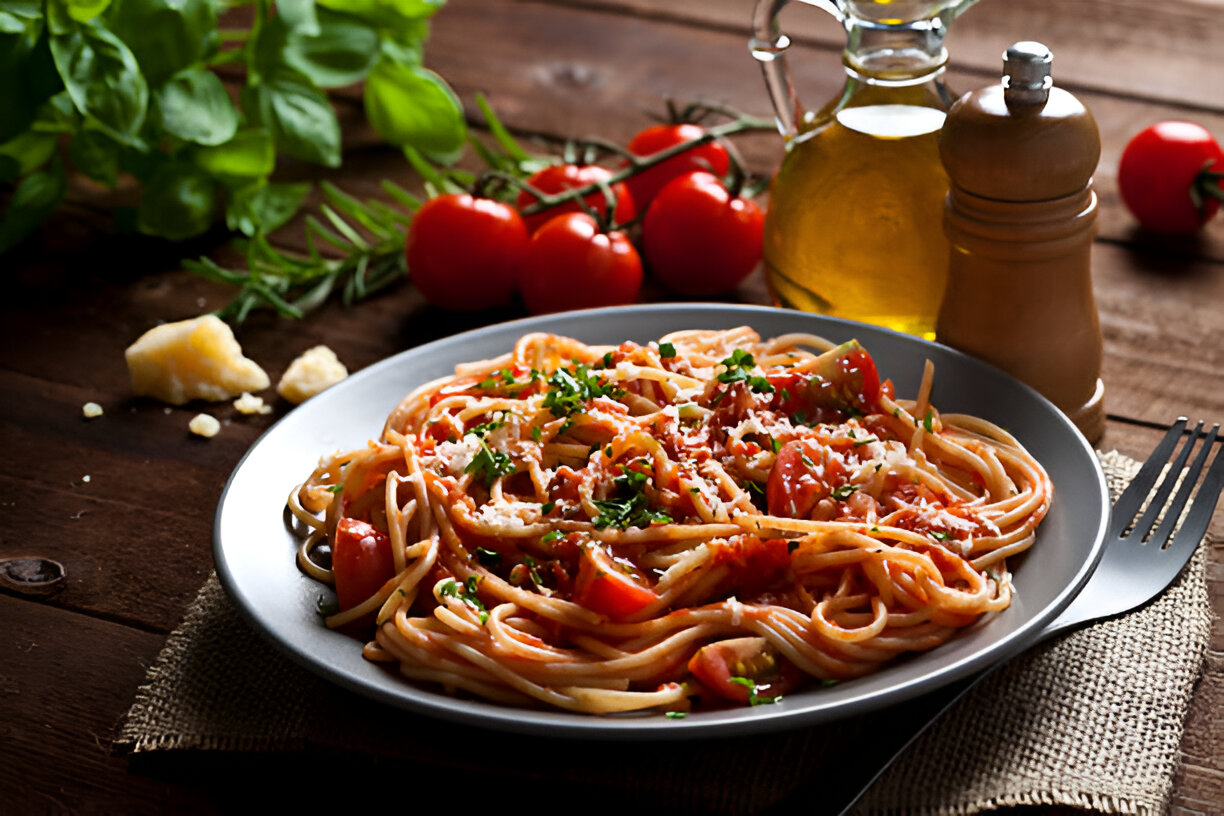
3. Popular Pasta Sauce Recipes
3.1 Classic Marinara Sauce
Marinara is simple and fresh ; it shows off tomato’s natural sweetness with garlic and basil . Great for any pasta .
Ingredients
- 2 tablespoons olive oil
- 4 cloves garlic , minced
- 1 can (28 ounces) whole peeled tomatoes
- 1 teaspoon sugar
- Salt and pepper to taste
- Fresh basil leaves for garnish
Directions
- Heat oil in a pan over medium heat . Add garlic and cook till it smells good .
- Pour in tomatoes (squish them with hands) and sugar . Add salt and pepper .
- Simmer 20–30 minutes , stir now and then .
- Blend if you want it smooth . Top with basil and serve .
Advice
Throw in some red pepper flakes if you want heat . Fresh summer tomatoes taste best .
3.2 Alfredo Sauce
This creamy sauce wraps around pasta like a soft blanket . Perfect for date night or cozy dinners .
Ingredients
- 1 cup heavy cream
- ½ cup unsalted butter
- 1 cup grated Parmesan cheese
- Salt and pepper to taste
- Fresh parsley for garnish
Directions
- Melt butter in a pan over medium heat , then stir in cream .
- Bring to a gentle simmer , whisk in cheese till smooth .
- Season with salt and pepper . Pour over pasta and add parsley .
Advice
Use half-and-half for lighter sauce . Add cooked chicken for extra protein .
3.3 Pesto Sauce
Pesto is bright and herby , perfect for pasta , sandwiches or dip .
Ingredients
- 2 cups fresh basil leaves
- ½ cup extra-virgin olive oil
- ⅓ cup pine nuts
- ½ cup grated Parmesan cheese
- 2 cloves garlic
- Salt and pepper to taste
Directions
- In a food processor , pulse basil , garlic , pine nuts and cheese till mixed .
- With machine on , slowly pour in oil till smooth .
- Season with salt and pepper and serve .
Advice
Swap walnuts for pine nuts if you’re allergic . A squeeze of lemon juice gives zing .
4. Advanced Pasta Sauce Techniques
4.1 Building Depth of Flavor
Try caramelizing onions and garlic to bring out sweetness , then deglaze the pan with wine or stock . Roasting tomatoes first also ups the flavor game .
4.2 Sauce Pairing
Thin sauces cling to skinny noodles like angel hair ; thick meat sauces stick better to rigatoni . Match your sauce and pasta shape for the best bite .
4.3 Emulsifying Sauces
Whisk or blend slowly when you add oil to water-based sauces . That helps make it creamy and stops it from splitting .
5. Storing and Preserving Pasta Sauce
5.1 Freezing Sauce
Let sauce cool then scoop into freezer-safe bags or containers . Label with date and type . It stays good for about three months .
5.2 Refrigeration Tips
Keep sauce in a sealed container and use within four days . Reheat gently on the stove , add a splash of water if it’s too thick .
5.3 Canning Sauce
Use clean jars and follow proper canning steps . Fill jars hot , leave some headspace and process in boiling water for the right time . Check seals before storing .
6. Creative Pasta Sauce Variations
6.1 Vegan Pasta Sauces
You can make a creamy sauce from cashews or blend roasted veggies with broth . Marinara is vegan by default — just skip the cheese .
6.2 Gluten-Free Alternatives
Most tomato sauces are naturally gluten-free . For a creamy option , try blending steamed cauliflower with garlic and broth .
6.3 International Pasta Sauces
Spice things up with an Asian-style peanut sauce or Mexican salsa verde . Mixing world flavors can spark new favorite dishes .
7. FAQs About Pasta Sauce
7.1 How long can I store homemade pasta sauce?
In the fridge it lasts about four days ; in the freezer up to three months .
7.2 Can I use fresh herbs instead of dried ones?
Yes , fresh herbs are stronger so you may need more of them .
7.3 What is the difference between marinara and spaghetti sauce?
Marinara is simple tomato , garlic and herbs . Spaghetti sauce often has meat or veggies and more complex flavor .
7.4 How do I thicken my pasta sauce?
Let it simmer without a lid to reduce liquid or stir in a mix of cornstarch and water . Grated cheese also helps .
7.5 Can I add cream to tomato sauce?
Definitely , cream turns it into a creamy tomato sauce that’s less acidic and more rich .
Conclusion
Pasta sauce is what brings a dish to life . From classic recipes to wild new ideas , there’s no limit to what you can cook up . Get creative , experiment and enjoy every delicious bite .
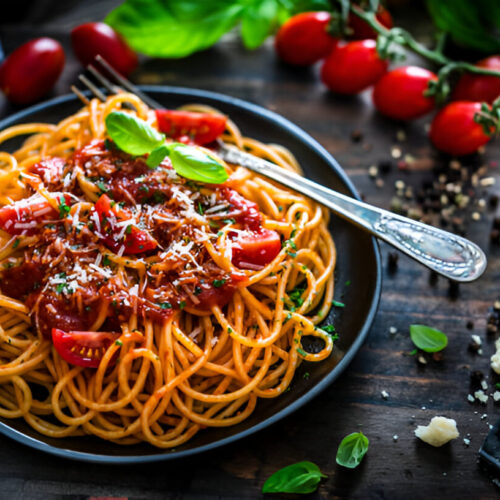
pasta sauce
Equipment
- 1 Large saucepan
- 1 Chopping board
- 1 Measuring cups and spoons
- 1 Can opener
Ingredients
- 2 tablespoons olive oil
- 1 medium onion, finely chopped
- 3 cloves garlic, minced
- 1 medium carrot, finely diced
- 1 stalk celery, finely diced
- 28 oz crushed tomatoes 1 can
- 2 tablespoons tomato paste
- 1 teaspoon dried oregano
- 1 teaspoon dried basil
- to taste salt
- to taste black pepper
- 1 teaspoon sugar optional, to taste
- to garnish fresh basil leaves optional
Instructions
- Heat the olive oil in a large saucepan over medium heat.
- Add the chopped onion and sauté until translucent, about 5 minutes.
- Stir in the minced garlic and cook for an additional 1 minute, being careful not to burn it.
- Add the diced carrot and celery, cooking for another 5 minutes until they become tender.
- Pour in the crushed tomatoes and add the tomato paste. Mix well to combine.
- Season the sauce with oregano, basil, salt, pepper, and sugar (if using). Stir to integrate all ingredients.
- Bring the sauce to a simmer, then reduce the heat to low and let it cook uncovered for about 20 minutes, stirring occasionally.
- Taste and adjust seasoning if necessary before serving.
- Serve hot over cooked pasta and garnish with fresh basil leaves if desired.